The professor behind the Eudora Welty Writers' Symposium

Merry MacLellan
Reporter

When the weather is nice at Mississippi University for Women, there’s a chance you might see Dr. Kendall Dunkelberg on his bike, clad with a satchel and helmet, commuting to work. Walking taller than many students, he enters the historic Painter Hall, the academic building that houses many of the humanities' classes and professors. 

His office looks out onto Serenade Drive with a view of students hurrying to and from classes in the building. The sun streams through the east facing windows, bathing the room in warmth and light, creating an idyllic setting perfect for the Director of Creative Writing. 

Dunkelberg has been teaching at The W since 1994. In the 32 years of experience, his teaching has evolved from English composition to literature surveys to creative writing workshops. Along with his teaching, Dunkelberg holds several important positions as the founder and director of the Creative Writing MFA and Department Chair of the Department of Literature, Languages, & Philosophy. For the past 18 years, Dunkelberg has also served as the director of the annual Eudora Welty Writers’ Symposium, the same symposium he attended as a featured poet years prior.

Though the symposium occurs in October, the process of planning each year begins as soon as a symposium ends. While attendees of the symposium might only witness the writers’ panels and receptions, there is far more happening behind the scenes. From deciding on the theme and contacting authors, to ordering books and reserving hotel rooms, Dunkelberg coordinates it all so that students, community members and the authors themselves can benefit from the symposium.

“There’s always an ongoing process of how all these things happen,” Dunkelberg said. “There’s a lot that goes on between one weekend one year, and the next weekend the next year, and not all of it’s drudgery. Some of it is, but a lot of it is the excitement of, you know, getting out there and looking for who’s doing what, who might be good to bring together.” 

As a dedicated professor, much of his motivation for the symposium comes with the hope that it will inspire his students. By giving them access to writers and a chance to see different versions of the writing process, Dunkelberg hopes to motivate his students with the symposium. 
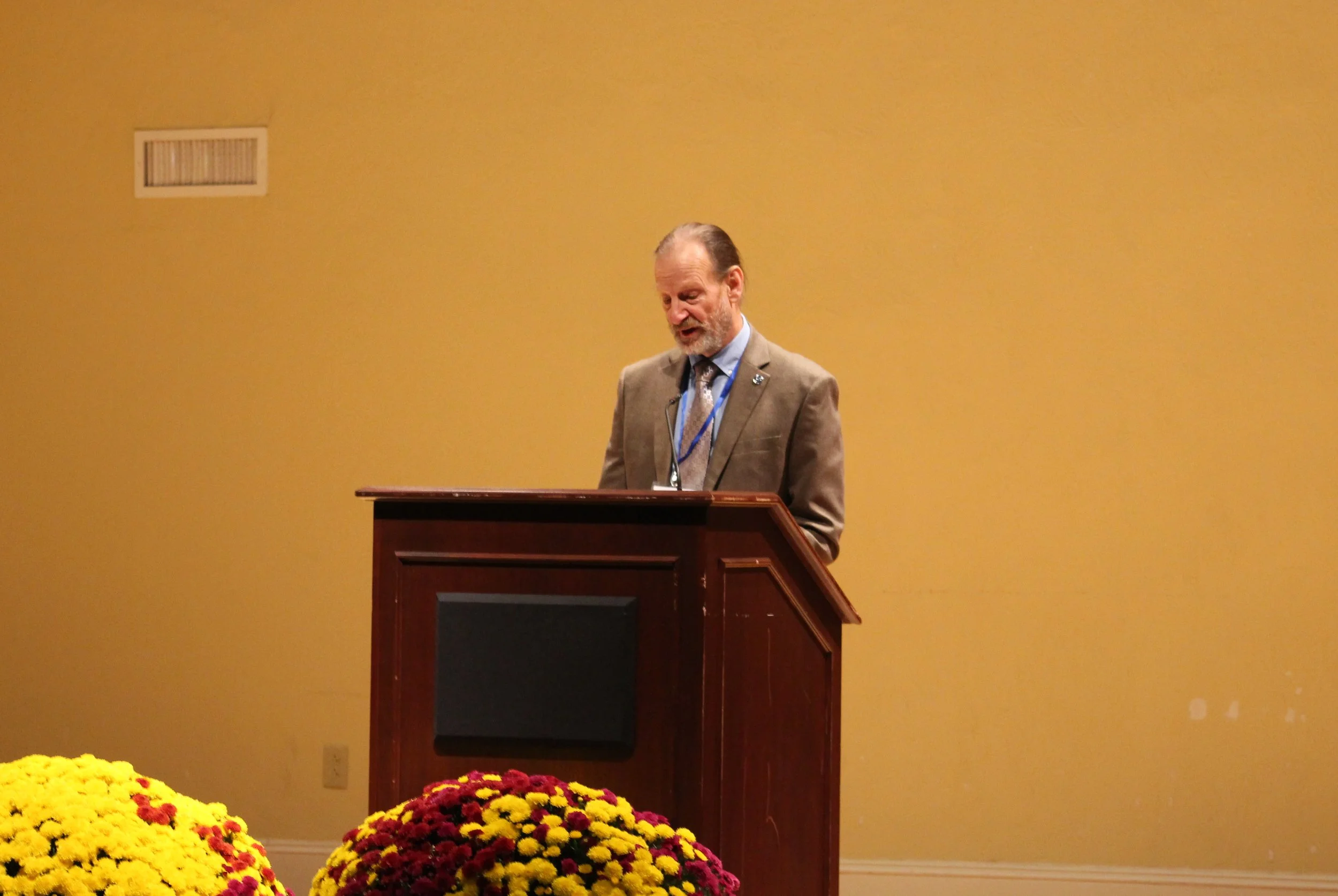
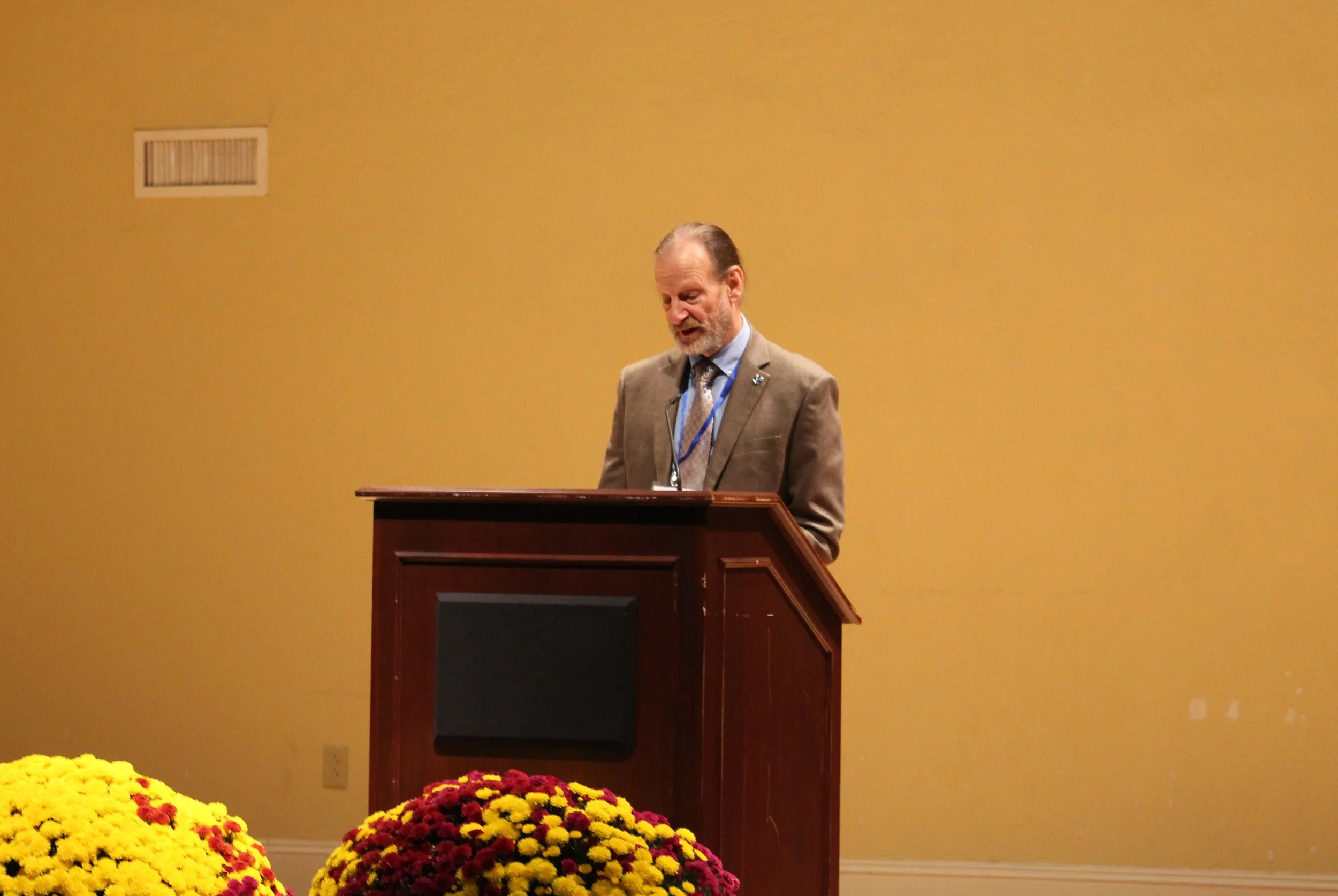
Dr. Dunkelberg gives the welcome address at the Eudora Welty Writers’ Symposium.
Photos by Merry MacLellan

Though only having taken two of his classes, Anna “Gra” McManus, a junior at The W, expressed that Dunkelberg’s teaching helped in gaining the most from this year’s symposium. She talked about how the skills she gained from his creative writing class gave her a better insight and a desire to learn when listening to the authors speak. 

“It was the first author,” McManus said. “He was talking about what worked and like his advice for us, and he talked a lot about voice, and that’s something that I’m kind of trying to figure out this semester, especially as I’ve taken like more classes around writing. But yeah, I think the things that I learned in my first creative writing class with him has helped me to desire to learn more from other authors.” 

With all that Dunkelberg oversees, there is constant work to be done. However, Dr. Brian Anderson, the Dean of the Colleges of Arts & Sciences and a longtime colleague of Dunkelberg’s, said that he rarely needs to consult with Dunkelberg on things like the symposium. According to him, Dunkelberg was very organized with his duties and has done a great job running the symposium.

“Yeah, and really, we don’t consult that much on that program because he has it very much running like a machine,” Anderson said. “I mean, he’s had long experience running that program, and I give approvals of expenditures and rarely consult with him about anything to do with what the program looks like and who’s invited.” 

Over the years that Anderson has served as the dean, he’s witnessed the success of the symposium thanks to Dunkelberg’s hard work.

“It’s certainly about us being able to see the writers read from their work and answer questions,” Anderson said. “But it’s also about the writers creating their own temporary community, and I’ve seen a lot of that over the years. And the writers really appreciate it. And again, you don’t have that happen by chance; you have to plan things to enable that. And he’s great at doing that.” 

For Dunkelberg, all the hard work of the symposium pays off with the fruit it bears. Year after year, he has seen his students be inspired by different authors and poets. He also gets to introduce authors to The W, who might not have otherwise had a reason to visit the historical campus and meet the school’s future generation of writers.

“They really enjoy meeting students and, you know, comment on that in public, which is always nice, about how bright students are and that kind of thing,” Dunkelberg said. “And how inquisitive people on campus that they met were.”

With the 2026 symposium now over, Dunkelberg has set his eyes on next year’s event. Already, he’s finished the grant application, and has started to compile a list of potential authors. However, as a professor, he’s hardly put off by the work ahead, knowing how the experience inspires and encourages his students.

“But yeah, as we were talking about it, you know, week after in the poetry workshop, you could tell that they got a lot,” Dunkelberg said. “And it’s not just that they heard poets, but you know, they’re writers, and they do all kinds of writing. So, you know, they might have been inspired by a novel or a short story or that kind of thing as much as the poems.” 
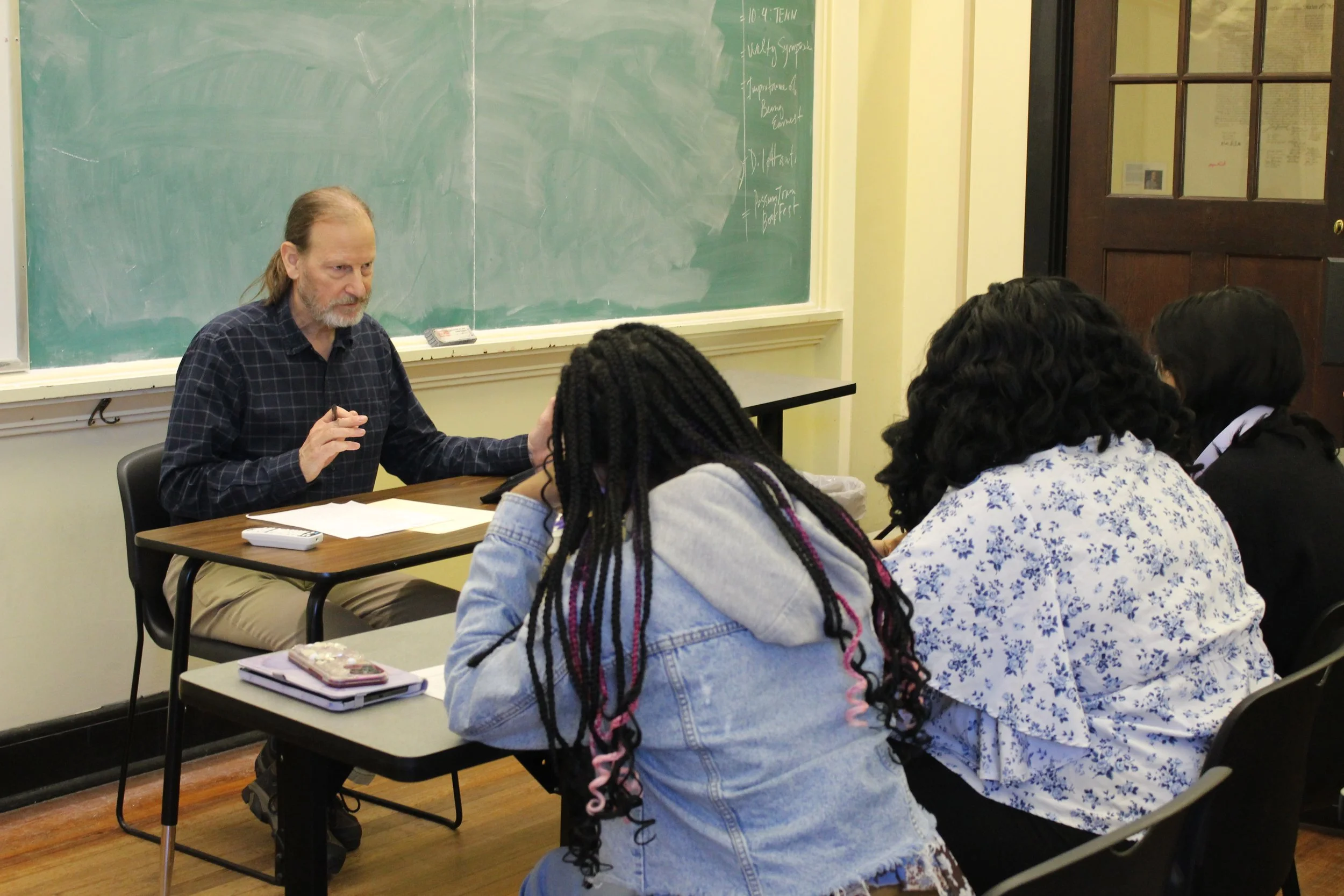
Dr. Dunkelberg leads his undergraduate poetry workshop.

Movie recommendations to make it through the winter

Poster courtesy of Walt Disney Pictures

The Chronicles of Narnia: the Lion, the Witch, and the Wardrobe (2005)

Four siblings enter through a wardrobe in their home to discover Narnia, a place where many fantastical creatures reside. They soon find themselves in opposition to a witch who has plunged Narnia into a hundred-year winter. This tale of siblings during the events of the WWII London Blitz is based on C.S Lewis's 1950 novel and is sure to be an emotional ride for some and a cozy winter classic for others. 

5 out of 5: visually pleasing CGI! 

Poster courtesy of Fox Searchlight Pictures

The Grand Budapest Hotel (2014) 

“The Grand Budapest Hotel” follows the tale of an aging hotel owner, played by Ralph Finnes, who shares his story of working during the golden age of The Grand Budapest Hotel as a lobby boy. This film is a dramedy that mourns the loss of civilization due to war and the rise of fascism. Regarded by many as Wes Anderson's Magnum Opus. 

3.5 out of 5 stars: great for Wes Anderson fans! 

Poster courtesy of Studio Canal


Murder on the Orient Express (1974) 

A classic mystery film based on Agatha Christie’s 1934 novel. The plot is multifaceted and engaging as it follows detective Hercule Poirot untangle the threads that weave each passenger to each other, the victim and a five-year-old case that is sure to have you on the edge of your seat. If you're looking for a mystery film to watch this winter, “Murder on the Orient Express” may be your first pick.
4 out of 5: a complex murder mystery, but an unappealing main character. 

Poster courtesy of RKO Pictures

Little Women (1933) 

An early Hollywood adaptation of Luisa May Alcott's coming-of-age novel “Little Women,” starring a young Katherine Hepburn. The story follows four sisters fighting to keep their close-knit family together during the Civil War and the absence of their father. This New England set drama is a cozy choice for fans of classic literature and classic Hollywood alike.
3.5 out of 5: As a classic literature lover, it's a fair comparison to the novel. 

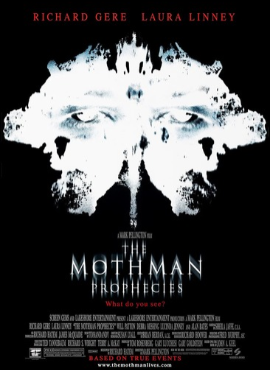
Poster courtesy of Sony Pictures.

The Mothman Prophecies (2002) 

A reporter investigates a small town plagued by strange phenomena. The reporter, John Klein, played by Richard Gere, investigates the appearances of a moth-like creature after his wife's death following a car accident. What he finds is an eerie, small town supernatural mystery he's never encountered before. This wintery small town psychological horror is a top-notch thriller for the winter season. 

4.5 out of 5: Love supernatural mysteries, plus the tie in of the end credits to the strange voices was a great choice!

November Basketball Coverage

Noah Chism
Reporter

Men’s Basketball

It is once again the time of year for Mississippi University for Women’s basketball season. The Owls men’s team has already played three games this season: one against Alabama A&M, Huntington College and Southeastern Baptist College. 

The first game against Alabama A&M was an exhibition game, which means it will not count on the official record for the season. This game was also a matchup against a Division One team, and the Owls took a loss with a score of 103-47. Even though this exhibition game did not turn out well for the Owls, having this experience playing against a D1 team will no doubt prove to be valuable experience for the Owls as their season begins to progress. 

The second game was against Huntington College. The Owls lost this game by a much more modest deficit of five points with a final score of 82-77 in an overtime thriller. Even though the game did not turn out the way we would have hoped, three Owls scored in the double digits.

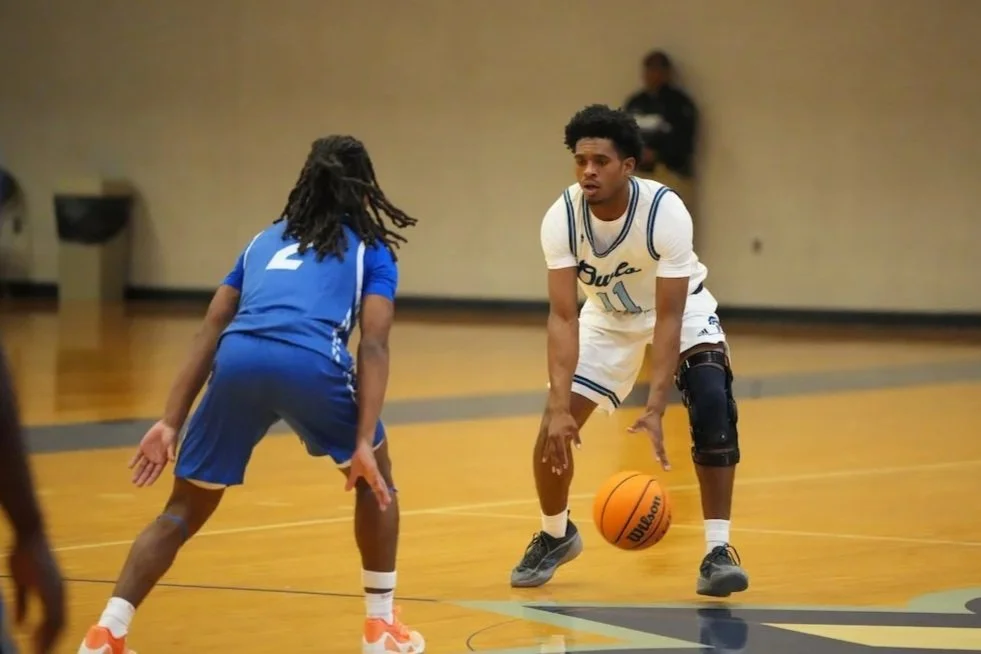
However, the Owls emerged victorious in the at-home game against Southeastern Baptist on Nov. 17. With a final score of 102-79, the team carried the lead in every game period. Four Owls stood out in the game, scoring double digits. Tyler Shepard scored 24, Evrad Makendi scored 21, Israel Braxton scored 18 and Joe Haze Austen scored 13. 

On Nov. 21 at 2 p.m., the Owls will play against Millsaps College. 

Tyler Shepard in the game against Southeastern Baptist College.
Photos by Chris Jenkins

Women’s Basketball

Like with the Men’s team, the Lady Owls are also ramping up for basketball season.  They have played four games with two being exhibition games and the other two against Millsaps College and Southeastern Baptist College. 

The first exhibition match was against Jackson State University. The Lady Owls played a hard-fought game against this Division 1 team only coming up short by 15 points. Then they played against Alcorn State, where they took a much tougher loss as they were defeated by a score of  91-44. 

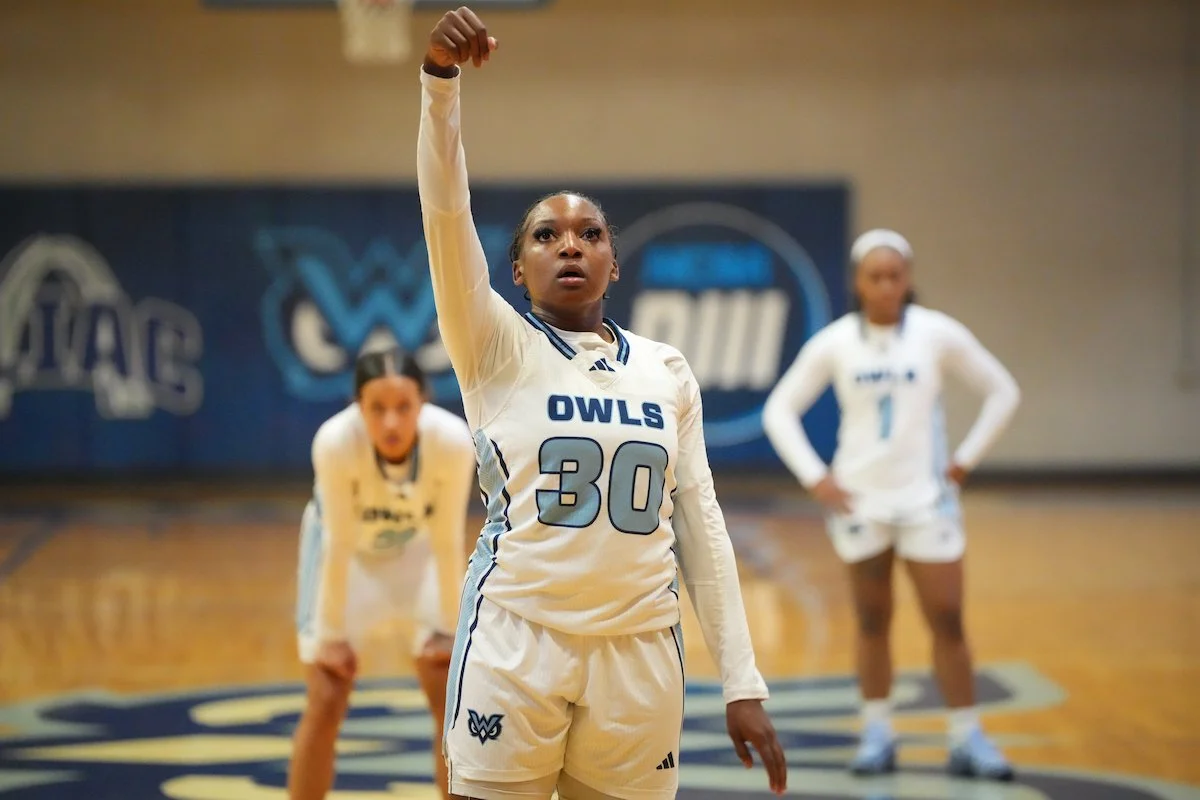
The Lady Owls squared off with Millsaps College on Nov. 14 and emerged victorious with a score of 74-67. Three players reached double digits in points, which is a great feat to have happened this early in the season. Madison O’Dell led the way putting up an extraordinary 23 points. Addison Howell came in second putting up 16 points while Tyla Allen put up a very solid 10 points to round out the double digit scorers for the Lady Owls. 

They won their second game for the season against Southeastern Baptist College on Nov. 17, with a score of 84-72. Howell proved again to be a key player for the team, scoring 20 points. O’Dell also scored in the double digits with 16 points. Allen, along with Jakayla Smith, scored 12 points each. 

On Nov. 21, the Lady Owls will play against Millsaps College again. 

Addison Howell free throwing in Southeastern Baptist College game.

Opinion: Making memories and why Winter Formal matters

Emma Stapp
Writer

For many people, some of their favorite memories from high school include dances, formal events and nights spent celebrating with friends. However, once graduation comes, opportunities to experience moments like that can become less common. College students often find themselves juggling classes, work, family responsibilities and the pressures of new adulthood, leaving little time to simply relax and enjoy themselves. That is why events like SPB’s upcoming Winter Formal are about more than dressing up and dancing. They provide college students with the chance to reconnect, build friendships and create memories that last long after the end of the night.

One of the biggest benefits of hosting social events is the opportunity to build a sense of community. College can sometimes feel overwhelming, especially for students who are adjusting to a new environment, making friends or finding their place at their university. A formal event gives students from different backgrounds, majors and social circles a chance to come together outside the classroom. Whether attending with a group of friends, a partner, or even going solo, students have the opportunity to connect in a fun and welcoming atmosphere.

Another important aspect of the Winter Formal is the positive impact that it and similar events can potentially have on students’ mental wellbeing. College life comes with plenty of stress, from exams and assignments to financial hardships and changing social climates. Having something to look forward to can give students a well-deserved break from their everyday routines. Taking a night to dress up, enjoy music, dance, laugh and spend time with others can help students recharge. 

While a formal event cannot eliminate the challenges of college life, it can provide a refreshing reminder that life is about much more than deadlines.

Winter Formal also gives young adults a chance to experience traditions that many may have thought ended after high school. There is something incredibly special about having a reason to dress up, take pictures, enjoy a decorated venue and celebrate with friends and peers. As people grow older, social events can become more difficult to coordinate. Work schedules, classes, family responsibilities and other commitments make it harder to gather everyone in one place. Events like these offer a designated time for people to step away from their busy schedules and simply enjoy being young. 

Along with providing entertainment, formal events can help students develop social connections and strengthen existing relationships and friendships. Meeting people in a fun, exciting setting can make it easier to form relationships that may eventually extend past the event itself. For students who are new to campus and looking to expand their social circles, attending a formal can be a simple way to become more involved in campus life. These shared experiences create a stronger bond between students and their college community.

Perhaps most importantly, events like Winter Formal remind students that adulthood does not mean giving up fun, excitement, or celebration. There is often pressure on young adults to constantly focus on their future, career establishment and degrees. While those goals are undoubtedly important, enjoying the present is just as (if not more) valuable. College is a unique chapter of life, and the memories made during these years can be some of the most meaningful in a person’s time on Earth.

At the end of the day, Winter Formal is about more than a dance. It is about community, friendship, celebration and making memories during a stage of life that passes by quicker than many people even realize. High school may be over, but our youth is far from it. College students deserve to celebrate, connect and take in the moments that make these days unforgettable.

Japanese cultural outreach initiative brings cultural activities and traditions

Jaelyn Grant
Reporter

Students at Mississippi University for Women are experiencing Japanese culture through interactive activities that bring traditions, creativity and opportunities for cultural exchange to campus.

Recently origami and onigiri workshops have been offered to introduce students to cultural activities in Japanese customs in a fun and welcoming environment. At the origami workshop, participants were taught the traditional art of creating paper sculptures and decorative designs. At the onigiri workshop on Nov. 4, participants learned to make the Japanese riceball. 

Coordinating these activities is Chie Maruko Lauron, the Japan Outreach Initiative coordinator at The W, who hopes to share more than her country’s traditions. Coordinators like Lauron are often sent to regions of the United States where Japanese language and culture have not been shared or discussed on a wide scale. Through cultural events and classroom presentations, Lauron wants students to develop a greater understanding of Japan while building relationships with people from different backgrounds.

“To tell Japanese culture to The W students brings me a lot of smile, connection, building relationships and to know more American culture or people how they live in Mississippi,” Lauron said.

Lauron has also shared Japanese culture with students at the Mississippi School for Mathematics and Science and visited classrooms at The W to discuss her experiences teaching in Japan and introduce students to different aspects of Japanese culture.

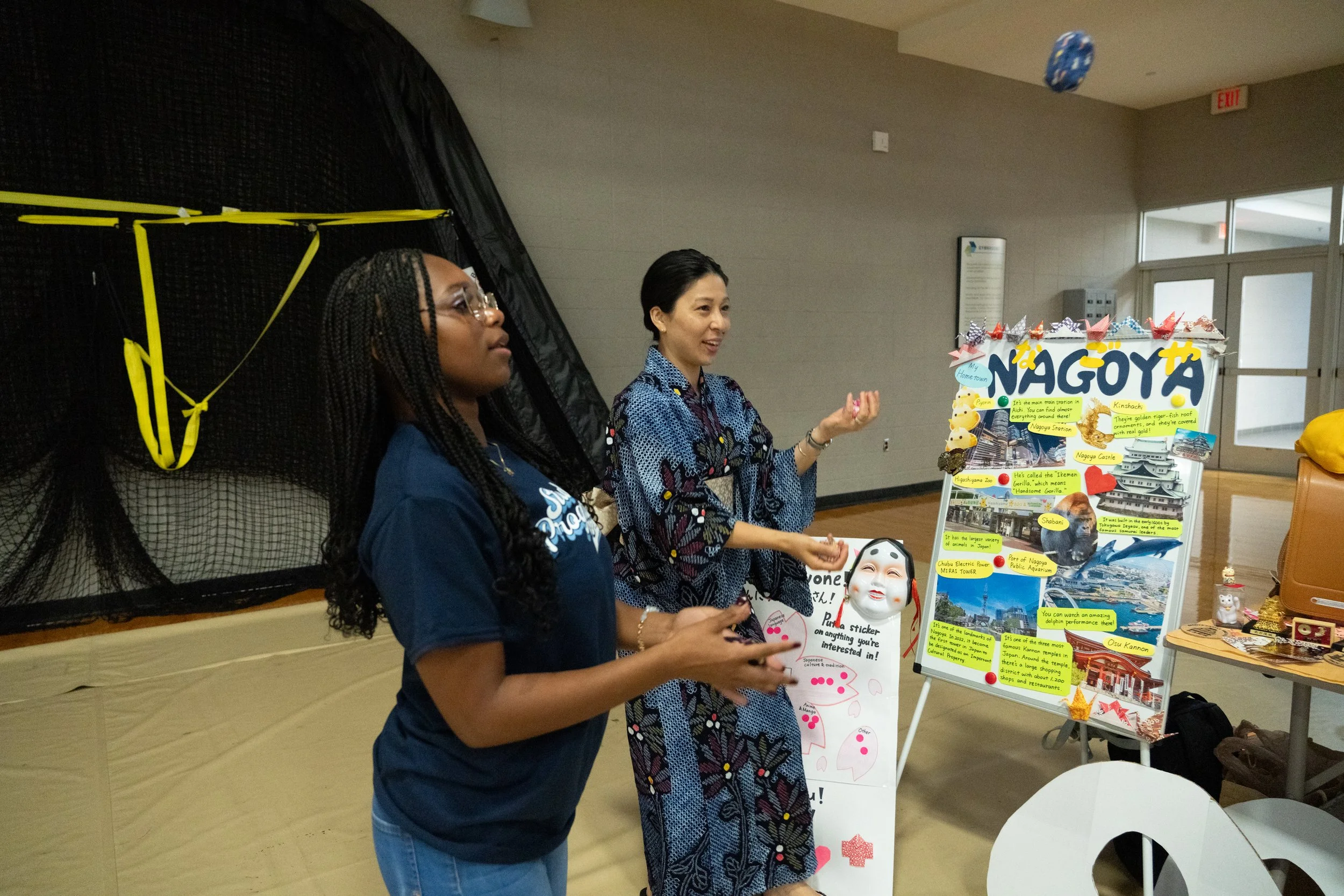
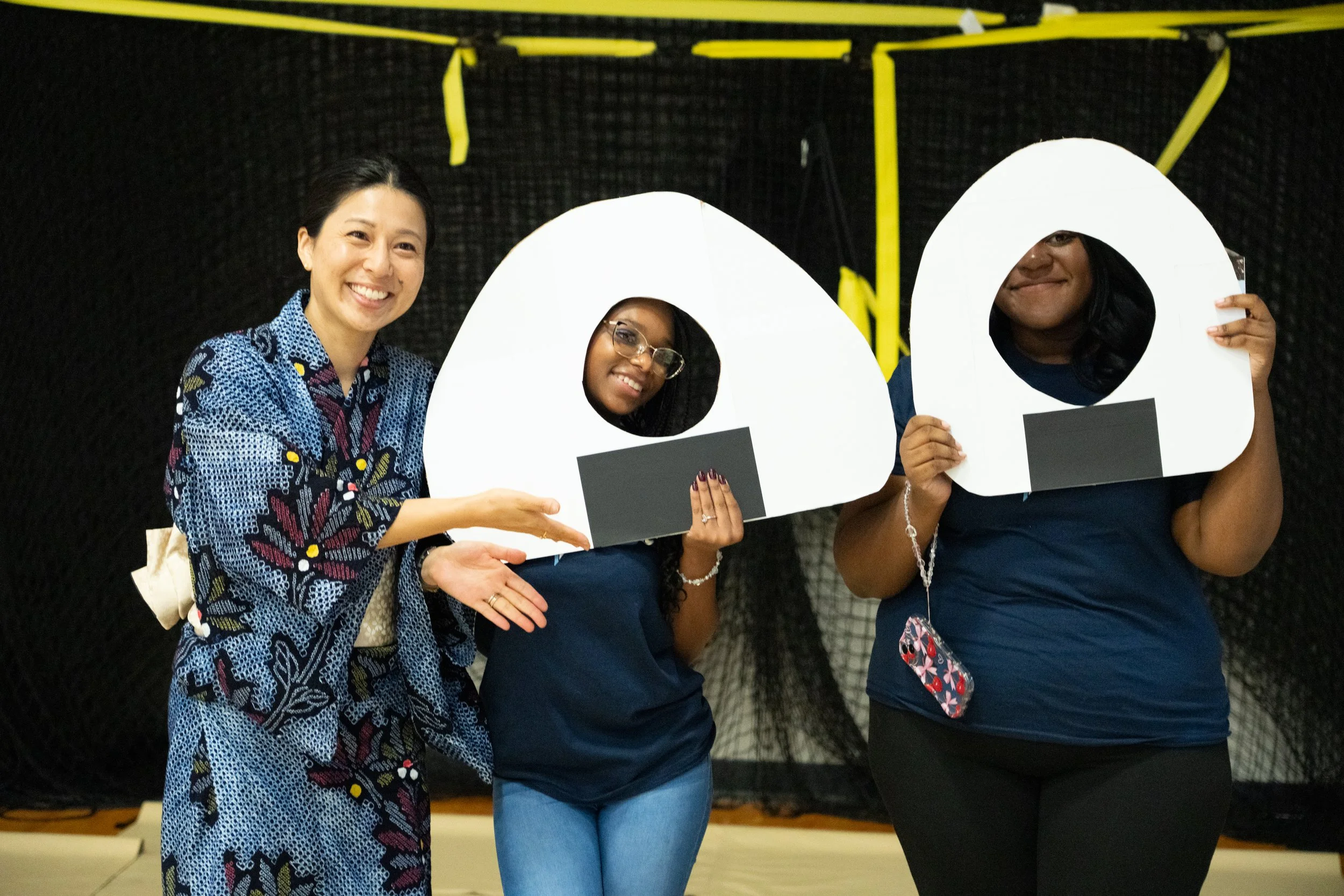
Chie Lauron interacting with a student at the August Involvement Fair.
Photo courtesy of Chris Jenkins.

Before coming to the U.S., Lauron worked as a junior high school English teacher in Japan for more than 14 years. Her experience with teaching English and sharing different cultures inspired her to learn more about the world.

She said she discovered that sharing cultures could bring smiles to people’s faces, which encouraged her to join a program that eventually placed her at The W.

For Lauron, one of the most meaningful parts of sharing Japanese culture is connecting with others. She hopes students will not only learn about Japanese traditions but also get to know her personally. Lauron said she wants people to understand her as a person and hopes that getting to know her will encourage them to become more interested in Japan and Japanese people.

“I want them people to know about Japan, of course,” Lauron said. “But more than that, I want  them to understand me, to know me first.”

During her presentations and activities, Lauron asks students questions about their familiarity with Japan. She said some initially respond that they know little about the country but become more interested after participating.

Lauron believes learning about Japanese culture can open the door to greater understanding and respect between people.

“To understand each other, to respect each other, it connects to those things,” Lauron said.

Her own experiences in Mississippi have also helped her recognize the importance of cultural exchange. Although she has enjoyed sharing her traditions, adjusting to life in the United States presented challenges. In Japan, she was accustomed to handling everyday responsibilities independently. After moving to Mississippi, she had to navigate unfamiliar systems, transportation and language barriers. Despite those challenges, Lauron said she has appreciated the hospitality she has experienced in Mississippi.

“People are so nice and friendly, hospitable,” Lauron said.

She has also noticed similarities between Japanese and Southern culture, particularly in the way people consider others’ feelings when communicating.

Lauron hopes her activities will encourage students to look beyond familiar images of Japan. While anime, manga, matcha and calligraphy are recognizable aspects of Japanese culture, she believes there is much more to discover through conversations and personal experiences.

She encourages students to approach unfamiliar cultures with an open mind and learn about people without relying on preconceived ideas.

Looking ahead, Lauron hopes to expand her cultural activities by collaborating with other Japanese residents in surrounding communities and organizing larger events for people in the Columbus area. For students who haven’t attended one of her activities, she encourages them to participate, discover something new and expand their world. 

“Please participate if you have time and learn even a little of just a piece of Japanese culture,” Lauron said.

Campus bodies encourage voter education leading up to historic midterm election

Merry MacLellan
Reporter

The state of Mississippi made history on Nov. 11 when it elected Scott Colom, a Columbus native, to be the state’s first black U.S. senator since Reconstruction. 

But getting to that milestone required a lot of work ahead of time across the state, and at Mississippi University for Women, that work was often accomplished through different groups and organizations on campus offering voter education information to students. 

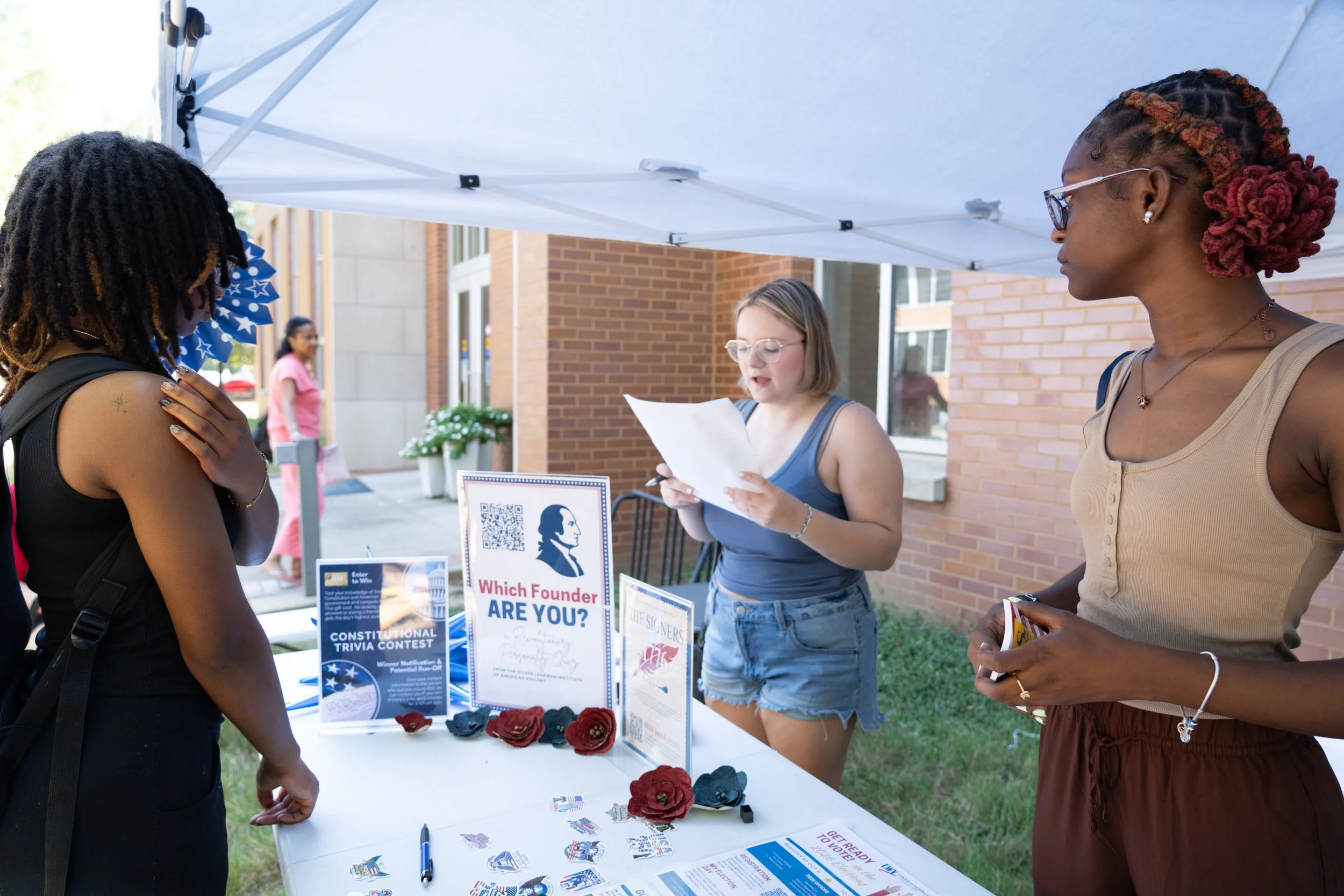
Every year the Department of History, Political Science, & Geography hosts Constitution Day, but this year’s celebration looked different than most. Although the university is federally required to celebrate the holiday in some capacity, Dr. Chanley Rainey always uses the event as more than just a celebration of history. 

“We always do voter registrations,” Rainey said. “Like I said, there’s always some election on the horizon, whether it’s local or like this coming. You know, we just have federal midterm elections, but next year is the biggest election for the state.”

Every year, the booth is set up in a high traffic place on campus. This year, it was in front of the library. At the booth, there’s trivia about the Constitution, but then there’s the voter registration applications and education on finding polling precincts, filling out absentee ballot applications and, for certain elections, district maps are provided.

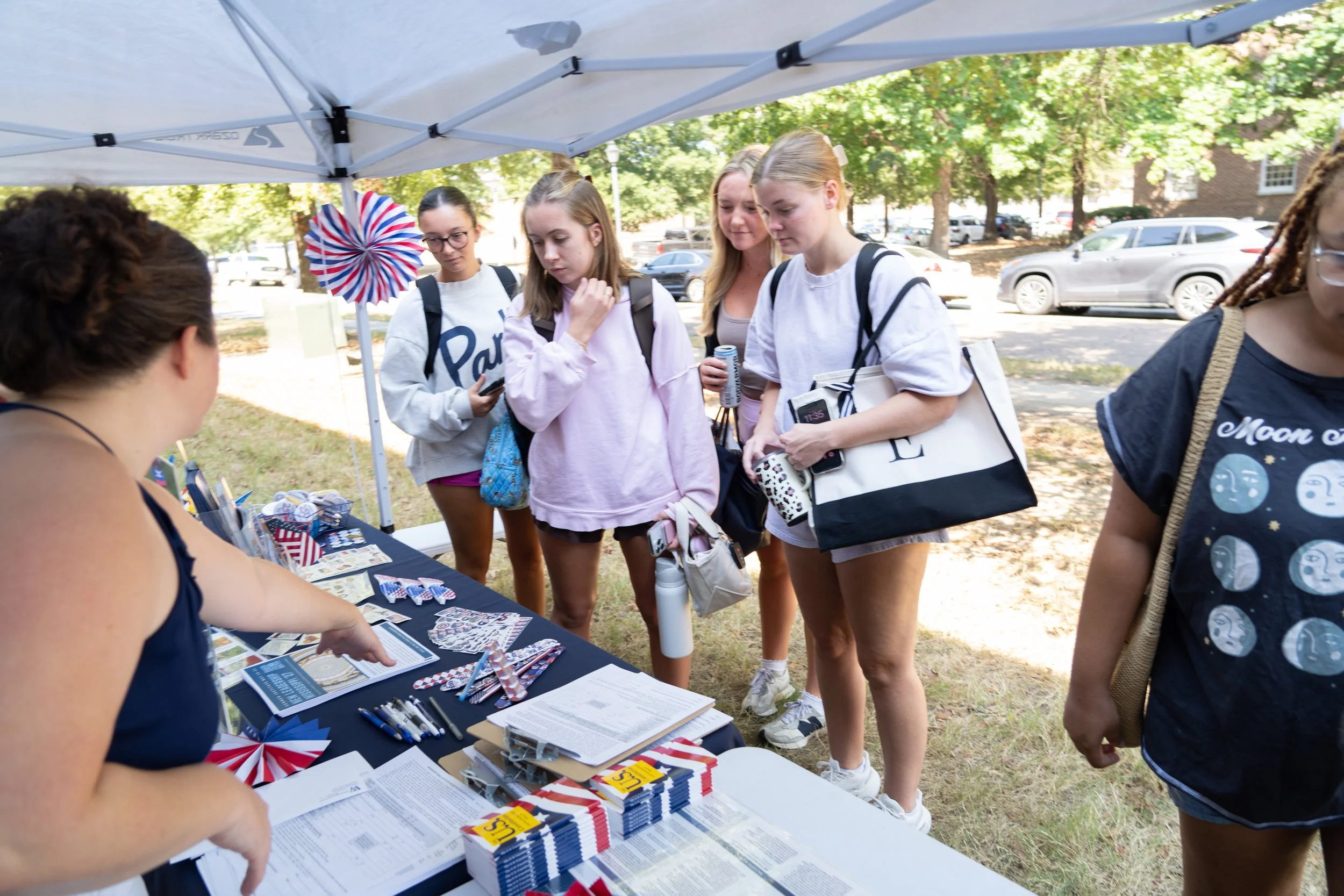
Student volunteers running activities at the Constitution Day booth.
Photo by Chris Jenkins

“So, we try to do a lot of voter education as well as just straight voter registration and constitutional civics to-do,” Rainey said. 

This year, Rainey said that the student engagement looked different than it had in the past. Not only did she say that they had a larger turn out in students stopping at the booth, but that many were already educated on the midterm election. 

“So, we had people who were very closely following things, who were getting excited about the potential for something different to happen this time, and they had gone and done their research,” Rainey said. “And they were excited to be there and to kind of volunteer and help talk about what people needed to know ahead of the election. So, yes, I think there was more excitement.” 

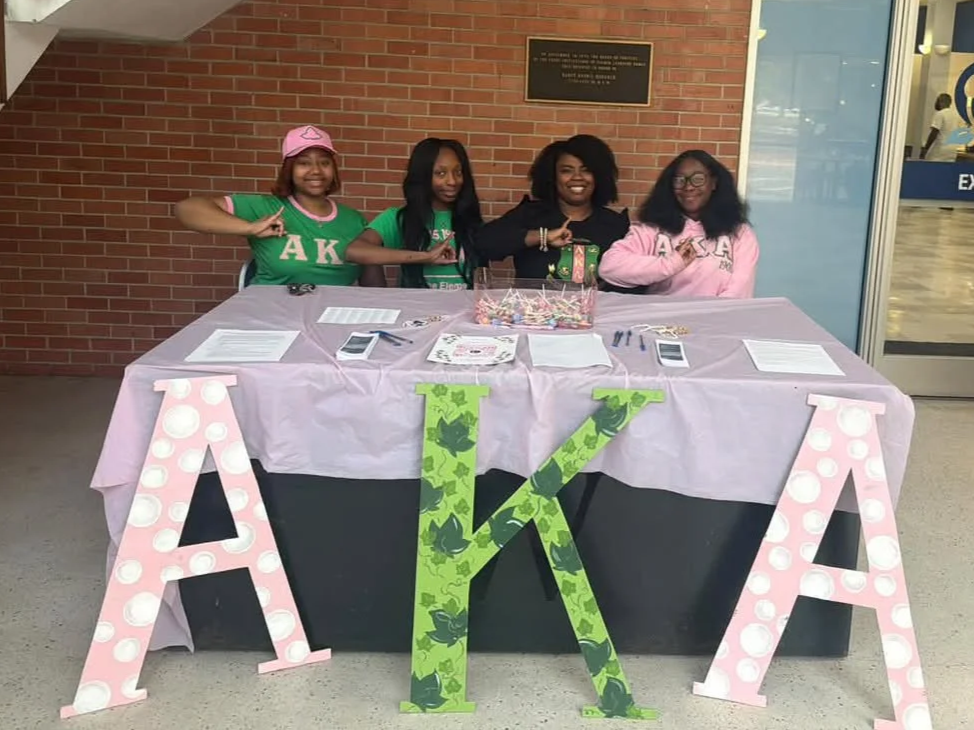
There was also a student-led initiative for voter education by the Pi Zeta Chapter of the Alpha Kappa Alpha sorority. On the days leading up to the election, the sorority members tabled in front of Hogarth Cafeteria to educate and encourage students to vote. 

In Mississippi, many college students often do not vote because of accessibility issues with absentee voting or being unable to drive home to vote on election day. M’Kya Cameron, the president of AKA and a public health major, said that many of the students they spoke with were having to drive three hours to vote. Many were unaware that they could change their registration to their university. 

“And we just wanted to provide that information to them to let them know, ‘hey, you don’t have to drive all the way home,’” Cameron said. “Especially for those who want to go vote and they don’t have a car, you know?” 

Along with educating students in different ways they can cast their ballots, the organization also provided services to take students to the nearby polling precincts. Cameron said that she offered a ride to five people to take them to vote. 

For her, it was important that the organization take the time to talk with students, educate them on their voting rights and encourage them to show up at the polls. Historically, the 18-29 age demographic has had a low turnout rate in past elections. This year alone, the Associated Press reported that there was a –1.2% in turnout among that demographic, the only demographic besides the 45-64 age range to decrease in this election, which featured record voter turnout. So, meeting students where they are is important to organizations seeking to get out the young vote. 

“I want them to know like, hey, your voice does matter, and we can make a difference,” Cameron said. “And I feel like it’s going to take a lot of tabling and voter engagement events on campus as well to get young people out to vote, especially on campus, having that one-on-one interaction with them.” 

Along with tabling at the cafeteria, AKA also tabled at Columbus High School where members spoke to eligible students about voting. 

M’kya Cameron and the AKA members tabling.
Photo courtesy of M’kya Cameron

Before the race was called on the evening of Wednesday, Nov. 11, Selena Winston, a pre-law major and an aide to local representative Dana McLean, spoke about what the election meant to her. Even with the turnout rate, Winston was proud with the number of young people who did show up to vote. 

“I’m super proud of the numbers of younger people that have voted,” Winston said. “This is the first time since freshman year—two and a half, three years ago—that I came on campus and saw so many people wearing ‘I voted’ stickers. And it just felt amazing, because as a person that’s in this field and that’s depending on other people that are also in this field, it’s so important.” 

Like Rainey and Cameron, Winston also cited the deep need for voter education in the state. 

“I would say get educated first before you do anything,” Winston said. “We are construed by social media politics nowadays by either side. There’s not any one side that’s focusing on social media — both sides do it. Three sides do it, all sides do it. So, actually get educated on your vote. Get educated on what your vote means, how it will impact you.” 

While this historic midterm has been called, it is never too late to begin educating and preparing for next year’s statewide election. For information on voting, you can visit sos.ms.gov/elections-voting or https://www.vote.org/register-to-vote/mississippi/. 

Local citizens' coalition formed to support The W and MSMS

Merry MacLellan
Reporter

On Thursday, Nov. 13, the Citizens’ Coalition for The W and MSMS held its second meeting to discuss ways to support the schools in the upcoming legislative sessions. 

The coalition was created as a response to failed legislative attempts two years ago to merge the university with Mississippi State University, and the Mississippi Department of Education’s request last year to relocate MSMS. While nothing was passed by the legislature, the coalition was founded to prepare and organize support for the schools with the likelihood that the matters will be brought up again in future sessions. 

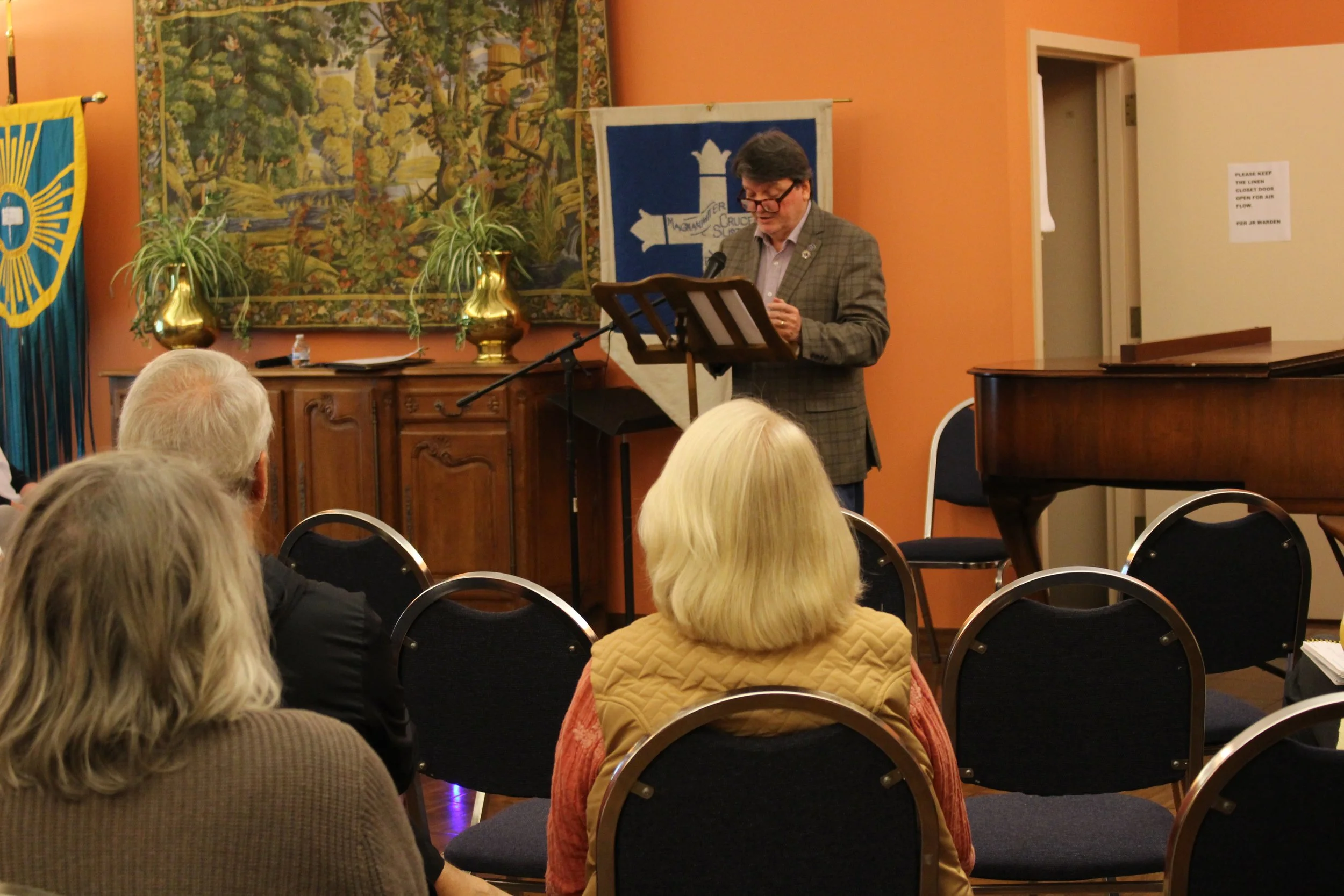
At the town hall meeting on Thursday evening held at St. Paul’s Episcopal Church’s parish hall, the coalition covered its core priorities and plans. In attendance at the meeting were members of faculty from The W and MSMS, influential members of the community and local state representatives Dana McLean and Andy Boyd. Former Columbus mayor and member of the coalition’s executive committee, Keith Gaskin, began the meeting. 

“We gathered here with a clear and urgent purpose to unite the Columbus, Lowndes County communities in support of the independent futures of two of our state’s, and not just our area, but the entire state’s greatest treasures,” Gaskin said. 

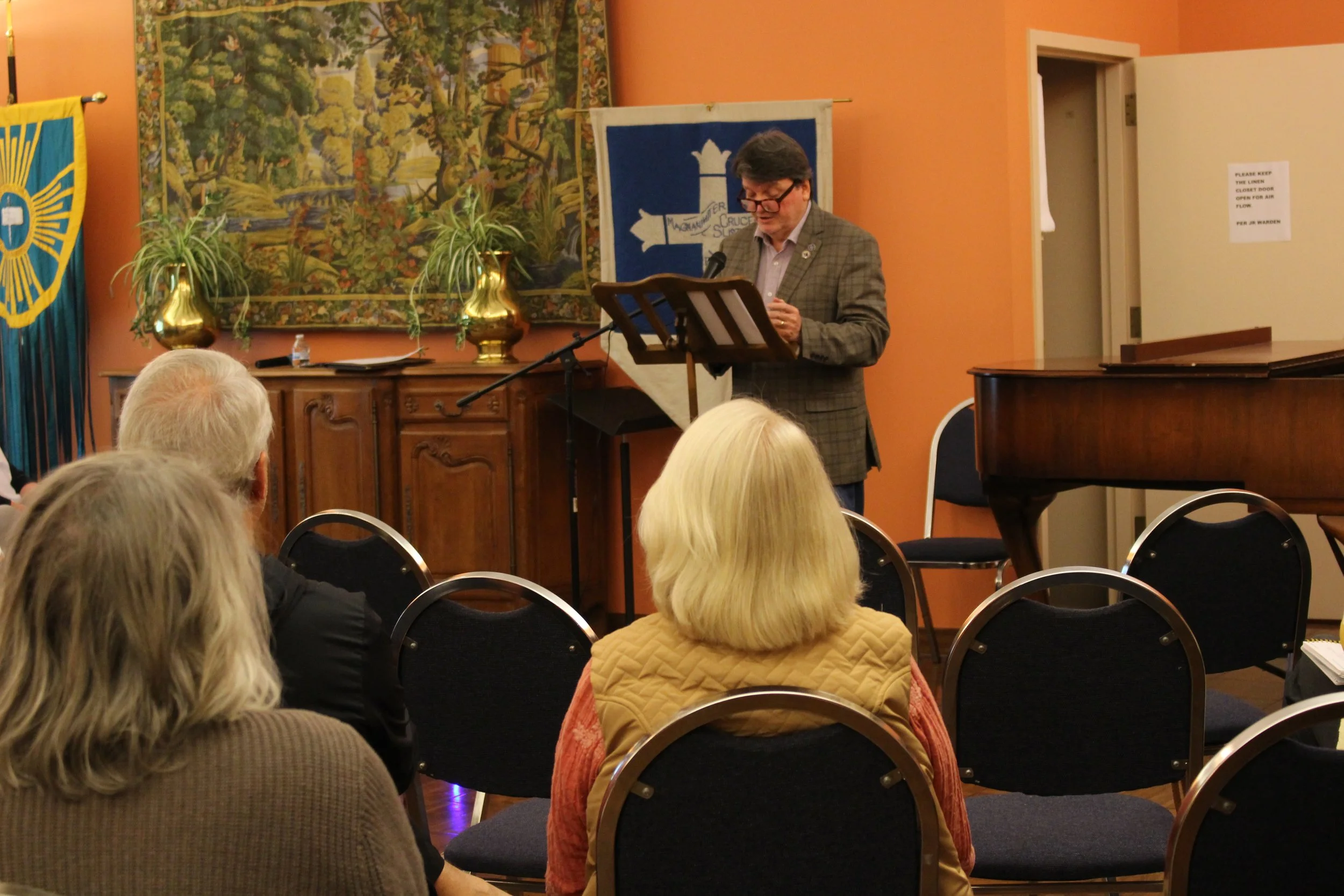
Former mayor, Keith Gaskin, addressing the room.
Photos by Merry MacLellan

During the evening, members of the executive board discussed their highest priorities. This includes supporting the independence of The W, keeping MSMS on The W’s campus and obtaining proper funding and support for both schools. 

Regarding the independence of The W, they also discussed the importance of the university receiving fair treatment from the Institute of Higher Learning during its search for a new university president. For MSMS, they discussed the school’s great need for funding to repair buildings and the benefits of the school remaining on The W’s campus. 

They also spoke on the importance of convincing the legislature to respect the autonomy of both institutions before another bill seeking to merge or relocate the schools is put forth. While Gaskin said that it is unlikely for anything to be brought on the table next year because of statewide elections, 2028 could likely prove to be when a new bill is brought to the table. 

“If we wait until 2028 to organize, we will already be behind,” Gaskin said. “So, our 2027 calendar year is actually our preparation for the year 2028. Here is how we’re building our firewall: statewide coalition building. This isn’t just a Columbus issue; it’s a Mississippi issue.” 

When asked if the coalition had any plans to involve students from both schools in their efforts, Gaskin, supported by the executive committee, expressed that they felt it would be inappropriate to do so. No follow up question was asked as to why. However, when an audience member suggested getting students from The W to potentially reach out to their legislatures, the committee seemed more inclined. 

For more information on the goals of the coalition, you can visit its website, citizens4columbus.com, or its Facebook group, Citizens’ Coalition for the W and MSMS, where the organization posts about its events. 

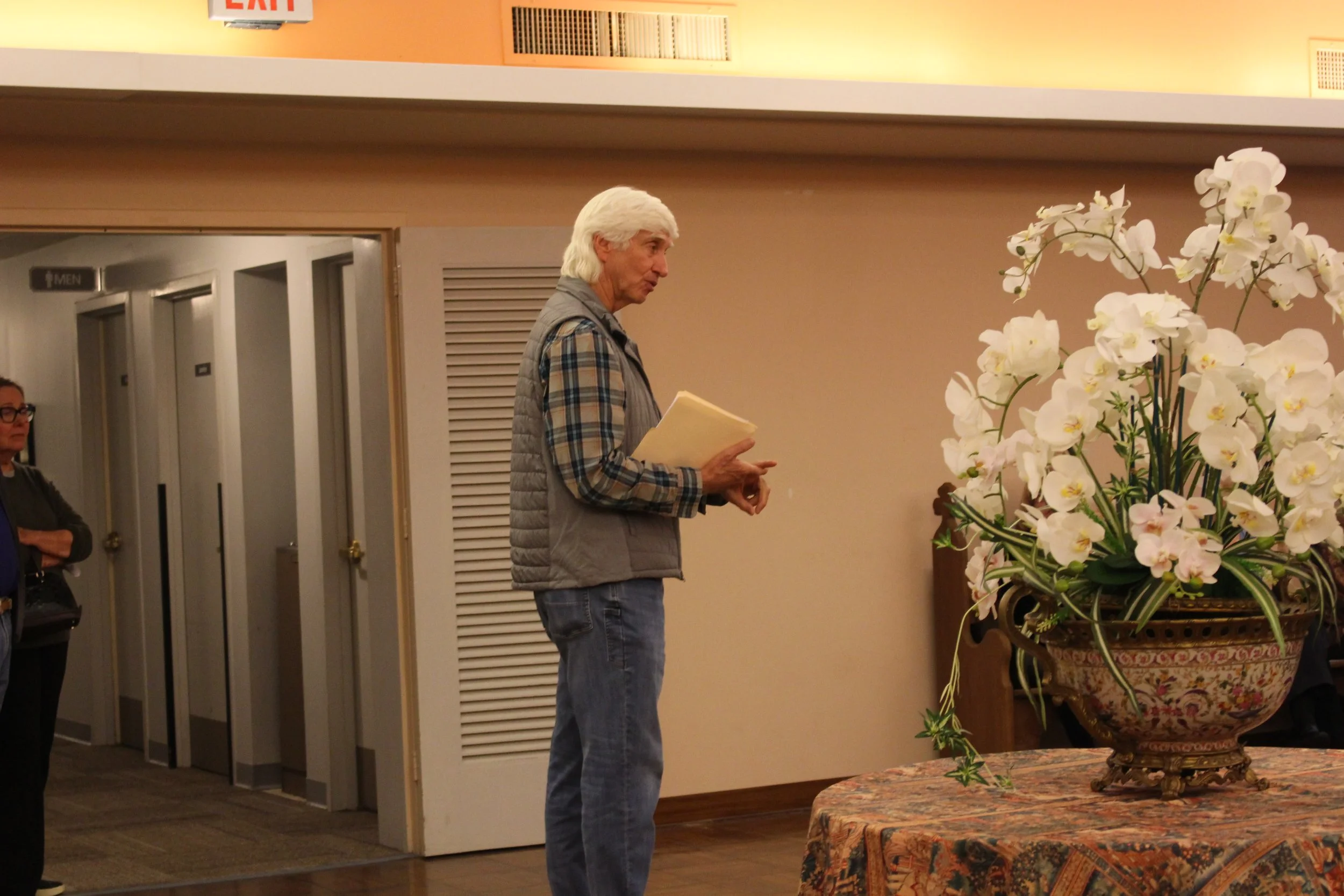
District 37 Representative, Andy Boyd, suggesting ways to help the schools.

Beyond the Stage: The stories of student performers at The W

Jaelyn Grant
Reporter

Every performer has a story, and every story begins with a different path. Whether through encouragement, personal discovery or a desire to express themselves, each journey has led a student toward the stage.

At Mississippi University for Women, student musicians develop their talents through rehearsals, performances and opportunities to create music.

An audience hears singers, instruments and harmonies that fill a performance. What they may not know are the experiences that inspired the musicians standing before them.

When the Stage Called

Long before the applause, there may have been a teacher who recognized a student’s potential, a song that sparked curiosity or a moment when music became a way to express something difficult to put into words.

For music therapy major Trinity Garvin, encouragement came from an elementary school music teacher who recognized her talent and introduced her to competitions and community performances.

“He saw something in me that I didn’t see in myself,” Garvin said.

Those early performances became lasting memories, allowing her to experience the excitement of sharing music with an audience.

Music carries more than a collection of notes. A melody can express sadness, joy or affection, while the interpretation of a composition allows a musician to communicate the emotions behind it.

Understanding those emotions is important to music education major Duncan Nobach.

“I love the different types of things that you can express through music,” Nobach said.

He enjoys examining compositions, including how composers interpret poetry and communicate emotions through music.

Music education major, Duncan Nobach.
Photo by Jaelyn Grant

Music can also provide another form of communication when words feel difficult to find.

Music composition major Devan Knipe said her interest in music was influenced by difficulties with social interaction and her desire to connect with others.

“Music is very emotional. I would consider it to be like a universal language,” Knipe said. “There’s something for everyone, and it just kind of fosters some empathy that maybe you wouldn’t have without it.”

The connection between a musician and music becomes visible through performance, but what audiences see is only part of the experience.

Beyond the Applause

Behind a song are rehearsals, hours spent learning musical passages and decisions about expressing emotions. Even after learning the notes, the challenge of communicating their meaning remains.

Garvin said one of her biggest challenges is ensuring that her facial expressions match the emotions she is singing about.

She especially enjoys musical theater, where acting choices and audience reactions contribute to the performance.

An audience’s response can make a performance memorable. Laughter, applause and expressions of enjoyment allow musicians to see how listeners receive their work.

Garvin recalled performing a French piece during a singing competition before her family, former classmates, teachers and other musicians.

She became a finalist and won first place in her category, marking a memorable accomplishment in her performing experience.

Yet the excitement of performing does not always erase the nervousness that comes before stepping onto the stage. Questions about memorization, preparation and possible mistakes can occupy a musician’s thoughts even after hours of practice.

Nobach said he experiences much of that nervousness before performing rather than while standing onstage.

“Whenever I get on stage, it’s easy for me to just let go of all my stress and just do it,” Nobach said. “But it’s the stress that leads up to it.”

He prepares by studying the melody and harmony of a piece, rehearsing with an accompanist and concentrating on the emotions he wants to communicate.

For some musicians, sharing music also means watching another person bring their original ideas to life.

A composition begins as a musical idea that develops into written notes and scores. When performers interpret those notes, the composer can hear the finished work.

Knipe experienced that opportunity when one of her original compositions for soprano and piano was performed at The W’s Music by Women Festival last year.

Hearing experienced musicians perform her work was intimidating, she said. She also described the opportunity for students to have their compositions performed at the university as a privilege. Her experiences at The W have encouraged her to explore opportunities that once felt uncomfortable.

“It’s definitely pushed me out of my comfort zone, which is good,” Knipe said. “Uncomfortable but necessary.”

Beyond performances, the music department provides opportunities to develop through faculty guidance and collaboration.

Nobach credited professors and students with contributing to his growth. Knipe described the department as a supportive environment that encourages students to perform.

University experiences the largest enrollment increase across the state

Katelyn Klark
Reporter

Mississippi University for Women had the largest Fall 2026 semester enrollment increase of any state university. 

Enrollment grew 3.6% this semester, with 2,457 students enrolled. Along with the increase in enrollment, the university was recognized as one of America's Best Colleges of 2026-27 by TIME Magazine. The W was also listed among the best universities in the Southern region by U.S. News & World Report. 

Sidney Stewart, associate director of recruitment, said prospective students and their families often consider tuition when they consider The W, and that is an area in which the university is competitive.

"The parents are always seeing dollar signs when we're talking about the expenses here at The W," Stewart said. "And you have students who are very conscious of the cost of their education, while some of them are just worried about a program or playing a specific sport."

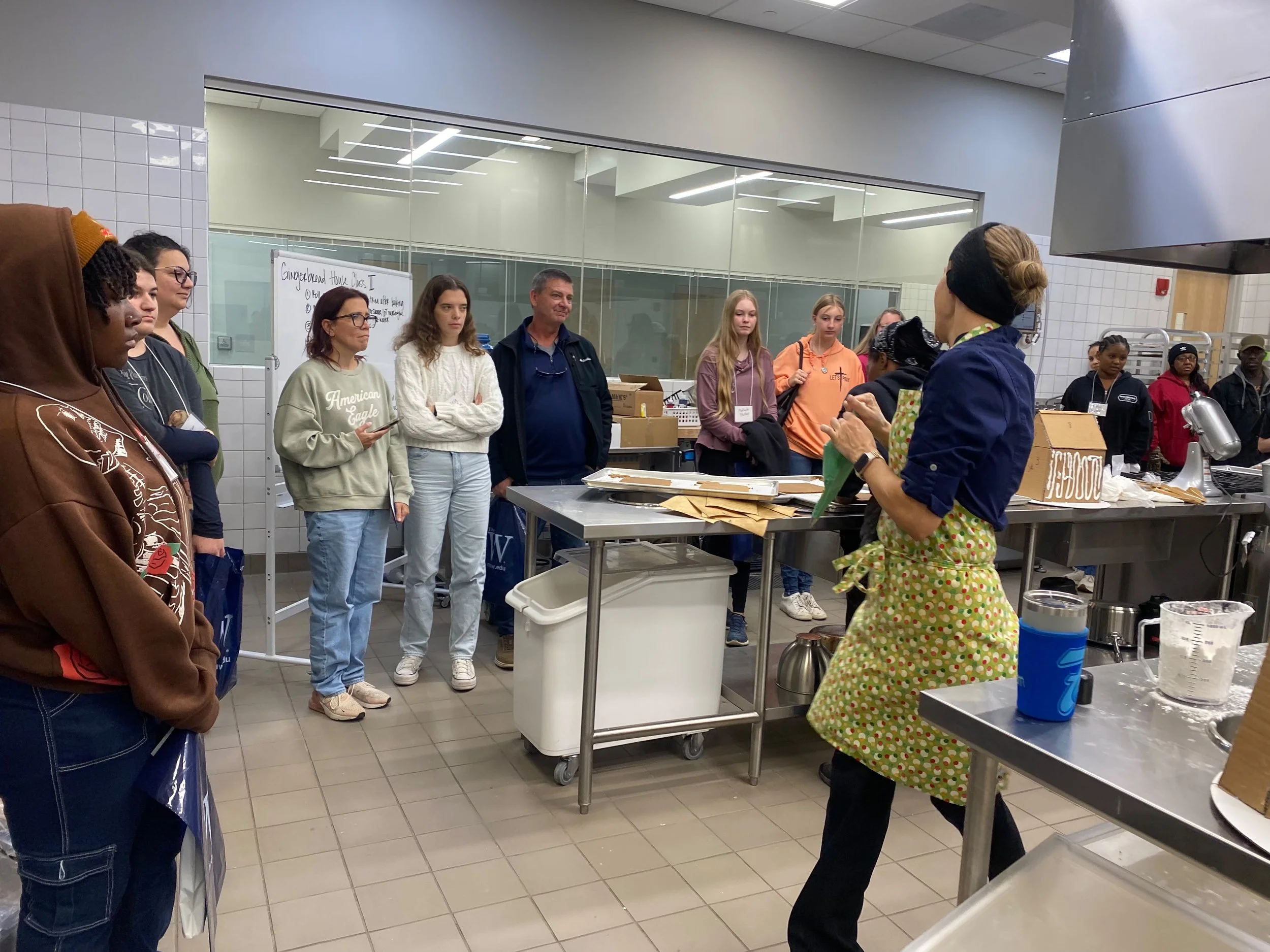
Two particular programs at The W have been large contributors to the enrollment rates. Stewart described the university's Nursing program as nationally recognized and said that the Culinary Arts program is the only one of its kind in Mississippi.

Rachel Pitman, a culinary instructor, giving a demonstration in the Culinary Institute on Preview Day 2026.
Photos courtesy of Laura Dlamini

Jessi Jobe, director of Admissions operations, contributed some of the increase in enrollment to changes in the admissions office about three years ago.

"This change has allowed many improvements with our many processes, like our application process becoming more streamlined," Jobe said.

Jobe stressed that application volume isn't the goal, but genuine interest from prospective students is what truly matters.

Olivia "Libby" Carlisle, a junior English major, said her reasons for choosing The W over several other colleges had nothing to do with a brochure.

"The W is much smaller, and I have easy access to my professors," Carlisle said. "At other colleges, the campuses seem so big, you get lost in a few minutes, and all the classes have hundreds of people, so how much can you really connect there?"

That closeness is the part of her experience Carlisle enjoys so much about the university.

"It's safe, it's close-knit, and I've never encountered that much drama here," she said.

Stewart, who received her undergraduate degree from The W, believes the recognition the university has received is deserved.

"Impact is a two-way street here," Stewart said. "We let students come and leave their own impression on us, as well."

There is hope that more students from across the state decide to attend The W, and enrollment will continue to climb. 

Associate director of recruitment, Sidney Stewart.

Editor's Column: Changes and a bunny in my bathroom

Merry MacLellan
Editor

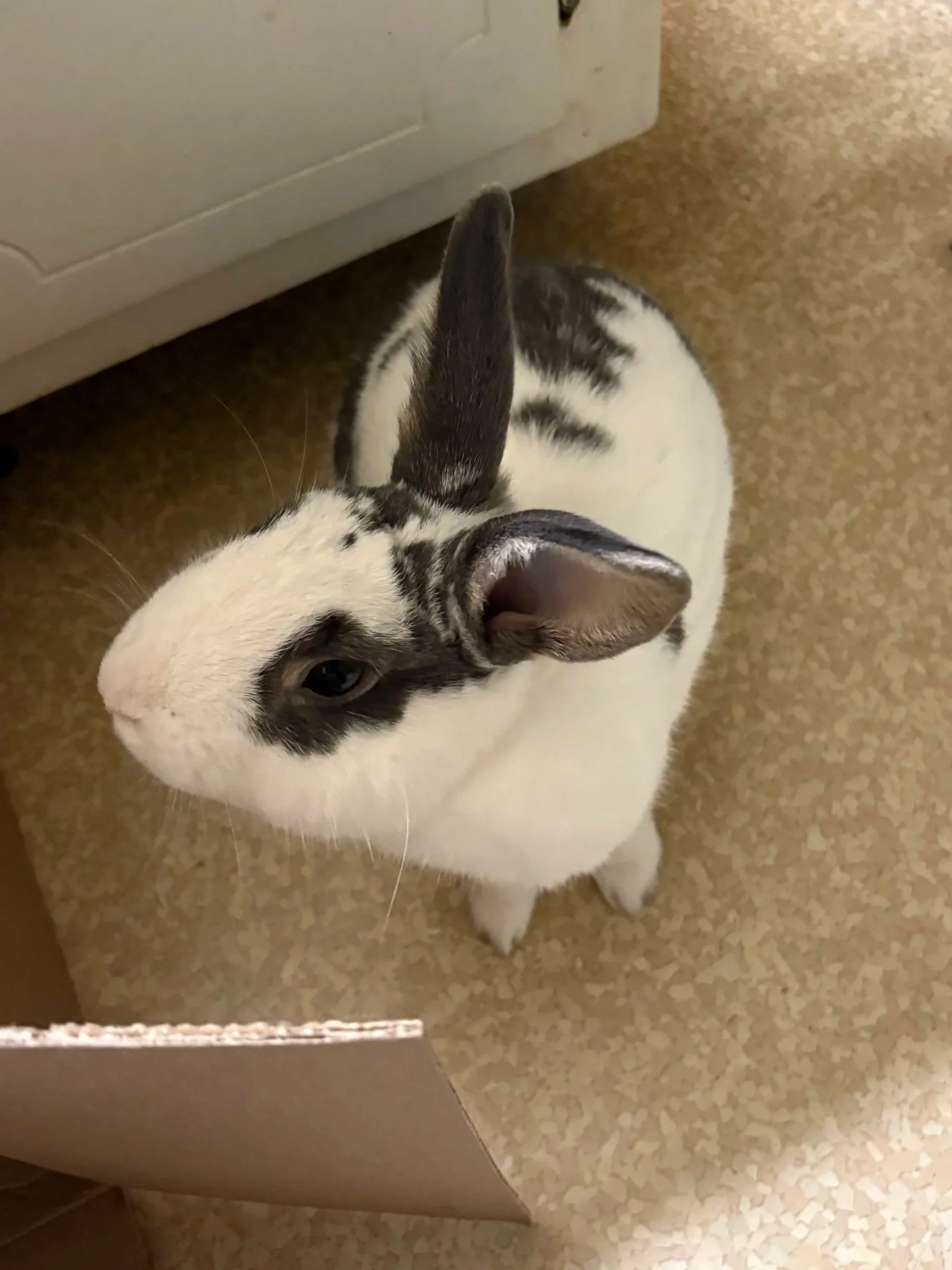
I didn’t expect to spend one November morning with a bunny; I had meetings and classes I needed to get to. My day was planned down to the minute, but they had other plans. 

As I watched it hop across the linoleum floor of my bathroom, after having saved it from my carport, I wondered what the chances were that this would’ve happened. I certainly didn’t ever plan for it. 

Mac the rabbit.

We often have this sentiment of wanting nothing to change. So often we expect destiny, fate, change or whatever you choose to call it, to occur on our terms and conditions. 

For me, I teeter on the edge of gratitude toward repetition and am an apologist for change. 

Though a naturally anxious person, with each new potential making me sweat, there is a growing part in me that seems to crave the unexpected. As I reflect on this semester and all the unplanned, unexpected or just new things I experienced, I’m grateful that change happened, despite the hardships faced, too. 

The bunny was just one of the many things that I experienced. In this fall semester of my junior year, the biggest change I faced was becoming the editor of this newspaper. Which even though I knew was happening, I still couldn’t have prepared myself for what it would actually be like.

I’ve also written stories I never could have planned on and been interviewed for other people’s stories. I was paid to report on election results by a major media outlet. Attended and hosted parties. Took my first (and only) pound class and yoga class at Stark Recreation. The list of new experiences goes on and on, because that is how life should be. 

Life is always changing.

Yet we are conditioned to fear what change may bring because of the possibility of being hurt or failing. I am no stranger to the difficulties of change this semester. There were projects that didn’t go as planned, relationships that took hard turns, and I made a lot of mistakes because of change. 

Without change, however, the sun couldn’t rise on a new day. Good things wouldn’t be able to find their way to us, like a cute new sweater or a new budding friendship, if nothing ever changed.

In finishing my reflection of the semester, I am so grateful for many of the opportunities and changes I experienced. They have shaped, grown and demanded better of me in ways I wouldn’t have believed if you were to tell me they’d happen back in August.