
Spotlight

One art student's preparation for Under the Oaks Art Festival

Anna Beth Hirshfeld
Reporter

On Saturday, Oct. 31, Mississippi University for Women will host the 4th annual Under the Oaks Art Festival in collaboration with the Columbus Arts Council. 

Since 2022, the Columbus Arts Council has invited local artists to showcase and sell their work at the festival, including students from The W’s Art Department. Each year, the event grows bigger with more vendors and patrons attending.

One artist that attendees can look forward to seeing is The W’s own Delia Lochala, an Art student at The W and a multitalented artist. Lochala has been a vendor since the first year of Under the Oaks, and she will be bringing several types of artwork to sell this year.
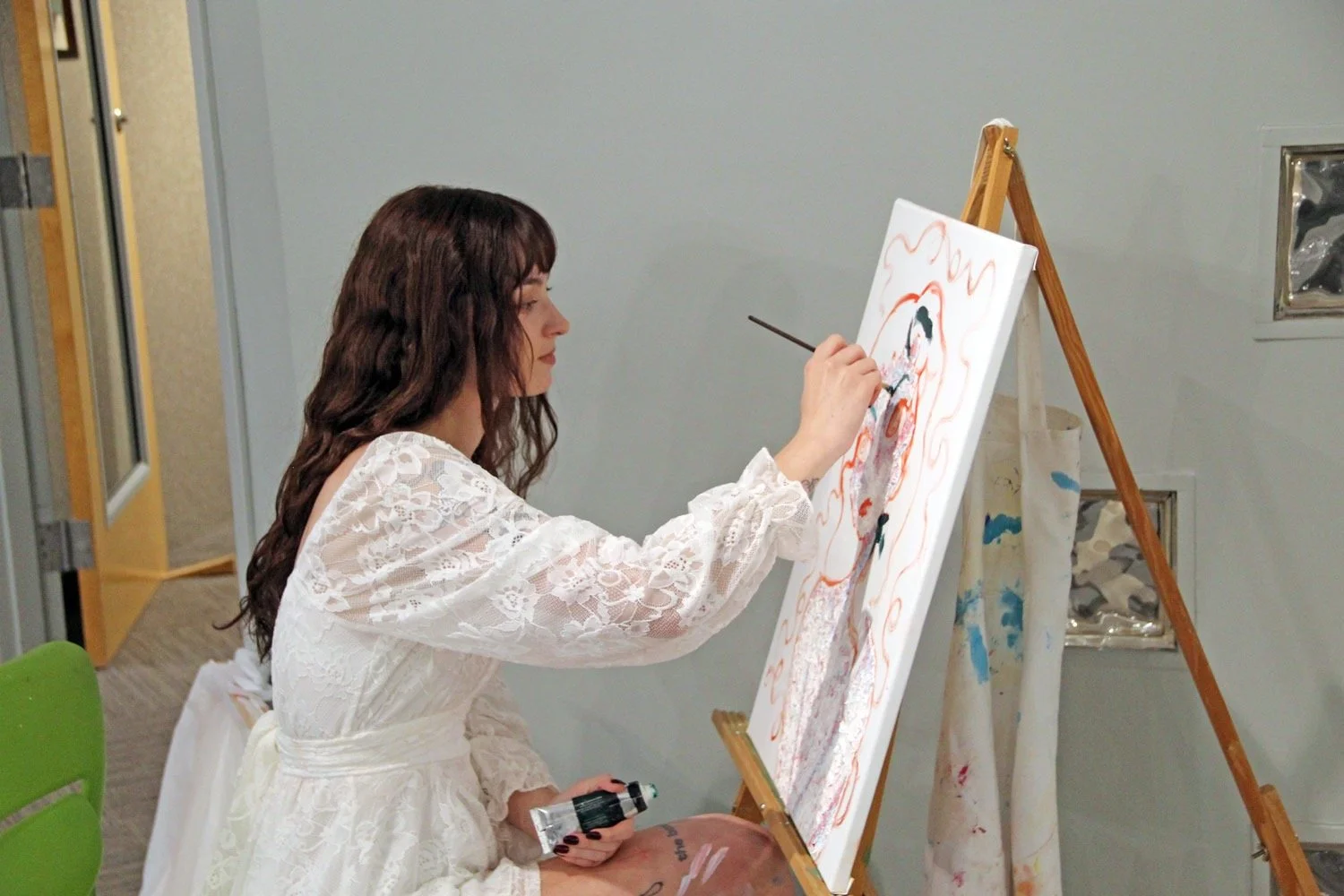
Delia Lochala working on a painting
Photo courtesy of Delia Lochala

“Primarily I do like large-scale oil paintings,” Lochala said. “However, for festivals and stuff, I’ll sell a couple of small paintings.”

Along with her paintings, she will be selling small drawings, prints, stickers, pins, keychains and more pieces done in different types of printing at her booth. This year she is excited to start selling relief-printed shirts as well.

 While talking about the logistics of being a vendor for Under the Oaks, Delia shared that students from The W who vend don’t pay a booth fee to attend. She said that all the proceeds she makes go to her.

“Yeah, I keep all that money to get more supplies and stuff to make more stuff,” Lochala said. 

For Lochala, the application process was quick and painless, just an online form that she completed in the summer. She noted the growth that Under the Oaks has seen since the first event in 2022, explaining that she was quick to get her application turned in because of the increasing competition for vendor spots. 

“Which is a good sign that it’s expanding, more people are becoming a part of it,” Lochala said. 

Over the years, she’s had success as a vendor at this event, making a comfortable profit on top of her material costs. Last year, she said her profits were double that of previous years. 

She added that weather is a large factor in attendance and hopes that the weather this year is as good as last year and that people will be encouraged to come check it out. With this event coinciding with Halloween, she has high hopes that the holiday will increase patronage this year. 

“It’s great, people need to come, it’s fun,” Lochala said. “This year, it’s gonna be, since it’s on Halloween, I think it’ll be more of an event, like a Halloween thing, too. Which I’m excited about, because I love Halloween.”

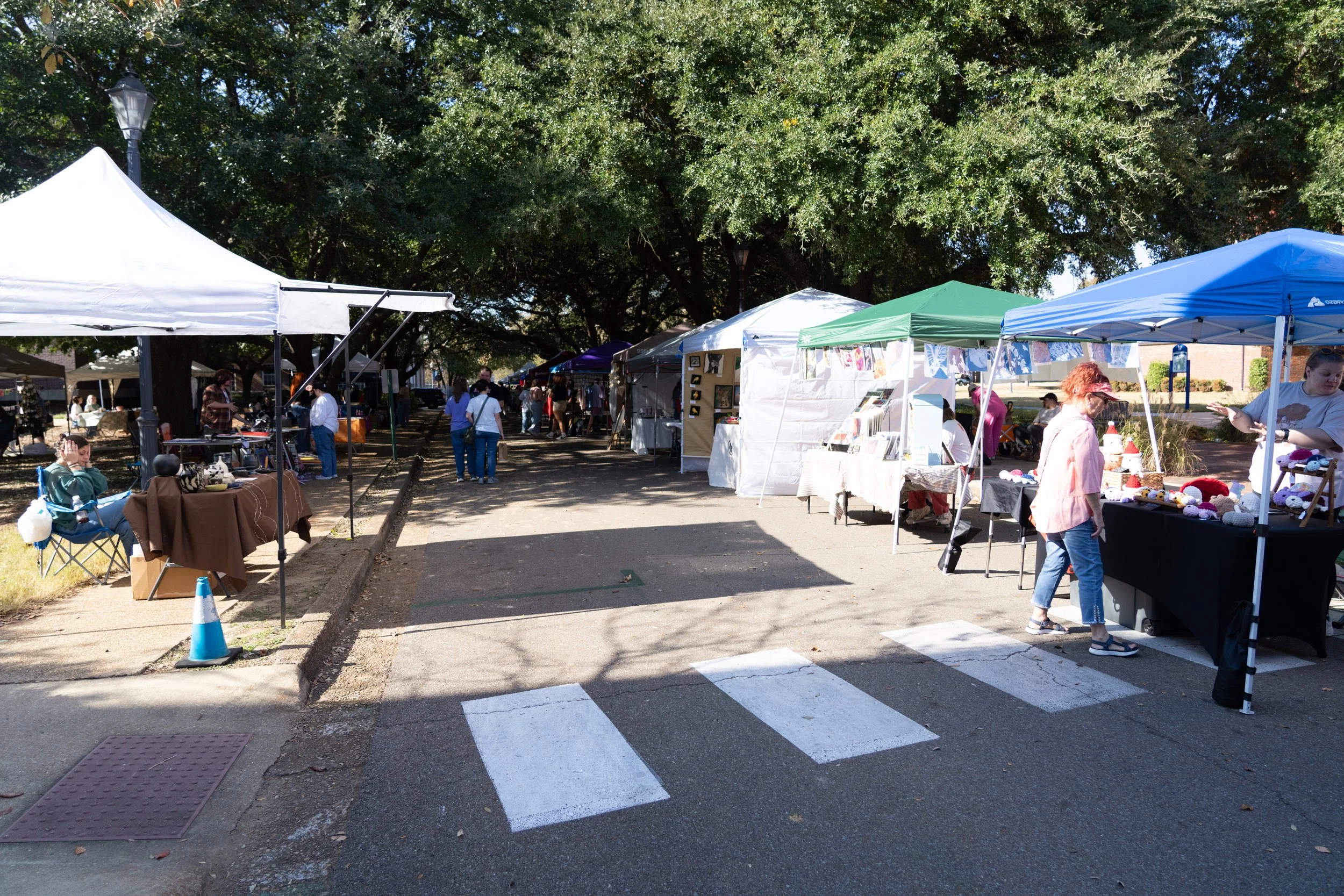
Aptly named for its position under the live oaks on The W campus, attendees can walk rows of stalls and listen to live music as they peruse the hand-made art pieces or stop by the food trucks. The festival will be held from 10 a.m. to 3 p.m. with free admission.
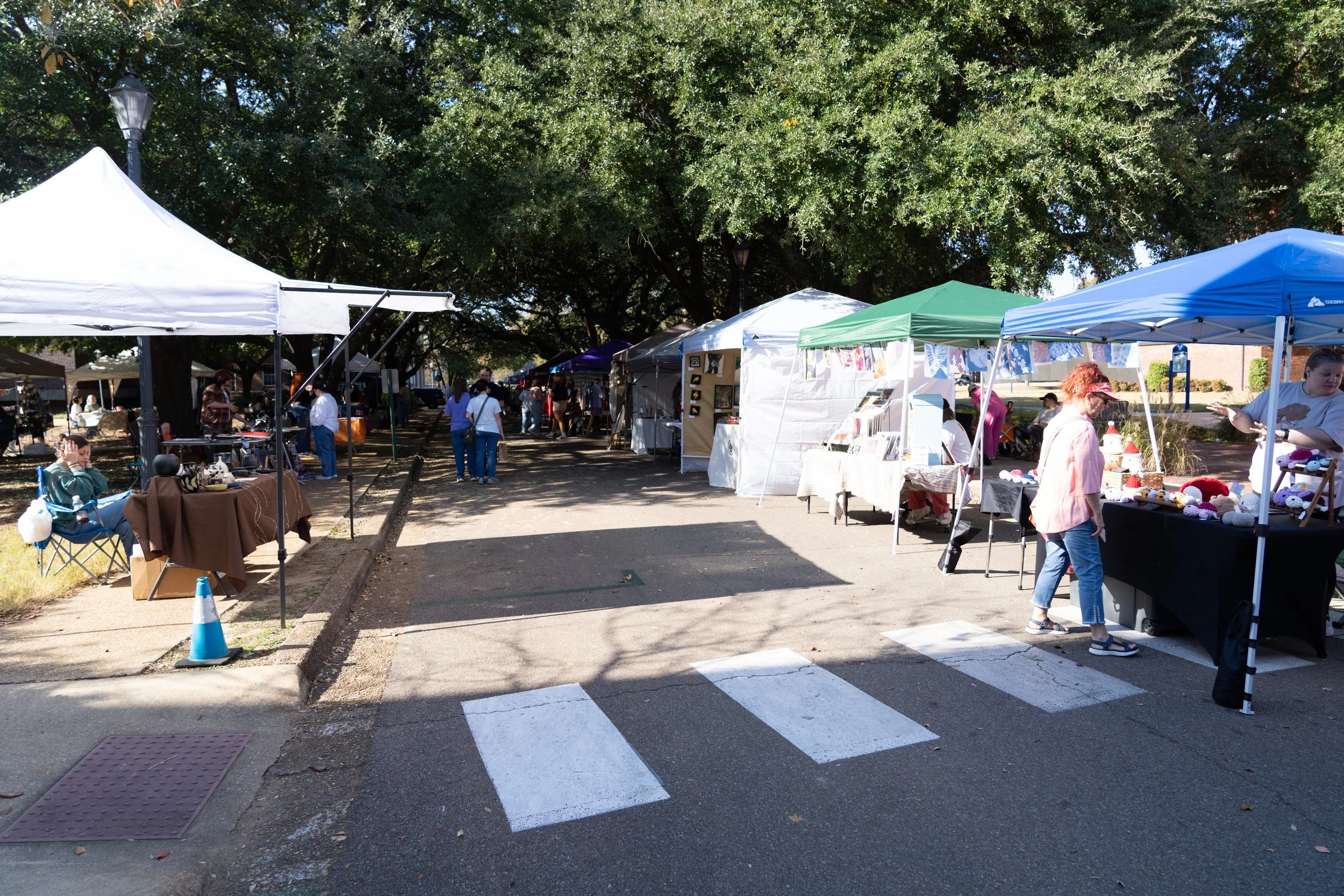
Vendors filling the oak-lined street during the 2025 festival
Photo courtesy of Chris Jenkins
The living land takes focus at annual Eudora Welty Writers' Symposium

Merry MacLellan
Report

Every October when the Mississippi heat begins to cool, Mississippi University for Women hosts the annual Eudora Welty’s Writer Symposium and invites authors with ties to the Southeastern region of the country to participate and share in the changing literary landscape of the South, all the while reflecting on the works of Welty, an alumna of the university. 

While featured ideas and themes have changed over the years, one element remains unchanging: the significance of the land. Once a key element in different Welty’s stories, the tradition of centralizing the land and setting has remained relevant to many of the writers attending this year’s symposium.  

With this year’s theme, “Like a Visitor from Nowhere: Encounters in the Uncanny South,” the land takes on a different appearance in the collection of stories being showcased at the symposium. The land becomes a living character and plays a strange part in the stories being told.  

As a scholar in Southern literature and Welty, Dr. Sarah Gilbreath Ford attends this year’s symposium as the winner of the Eudora Welty Prize for her book, “Of Women and Water.” For Ford, years of research on the topics have given her an insight and perspective into the landscape in literature of the South — especially in viewing the way Welty wrote about Mississippi. 

“I think one way in which she is brilliant is her attention to place,” Ford said. “She thinks deeply about places, about communities and how they interact in certain places. About historical context for how people are acting in certain places. And so, I think her work, both her literature and her photography, is many things, but it is a record of a place.” 

Her book is a literary study of Welty’s usage of submersions in water as a spiritual baptism to signify the coming-of-age for many of her female characters. Nature takes a role that is usually reserved for social events in the trope. 

“What I argue in the book is that Welty writes scenes of nature, in which nature is uncanny, specifically where nature is agentic,” Ford said. “Meaning nature has agency in ways we don’t formally think of nature having agency. So that it's not just characters doing things to nature, or characters doing things with nature as a backdrop. But nature has agency, nature is doing things as well.” 

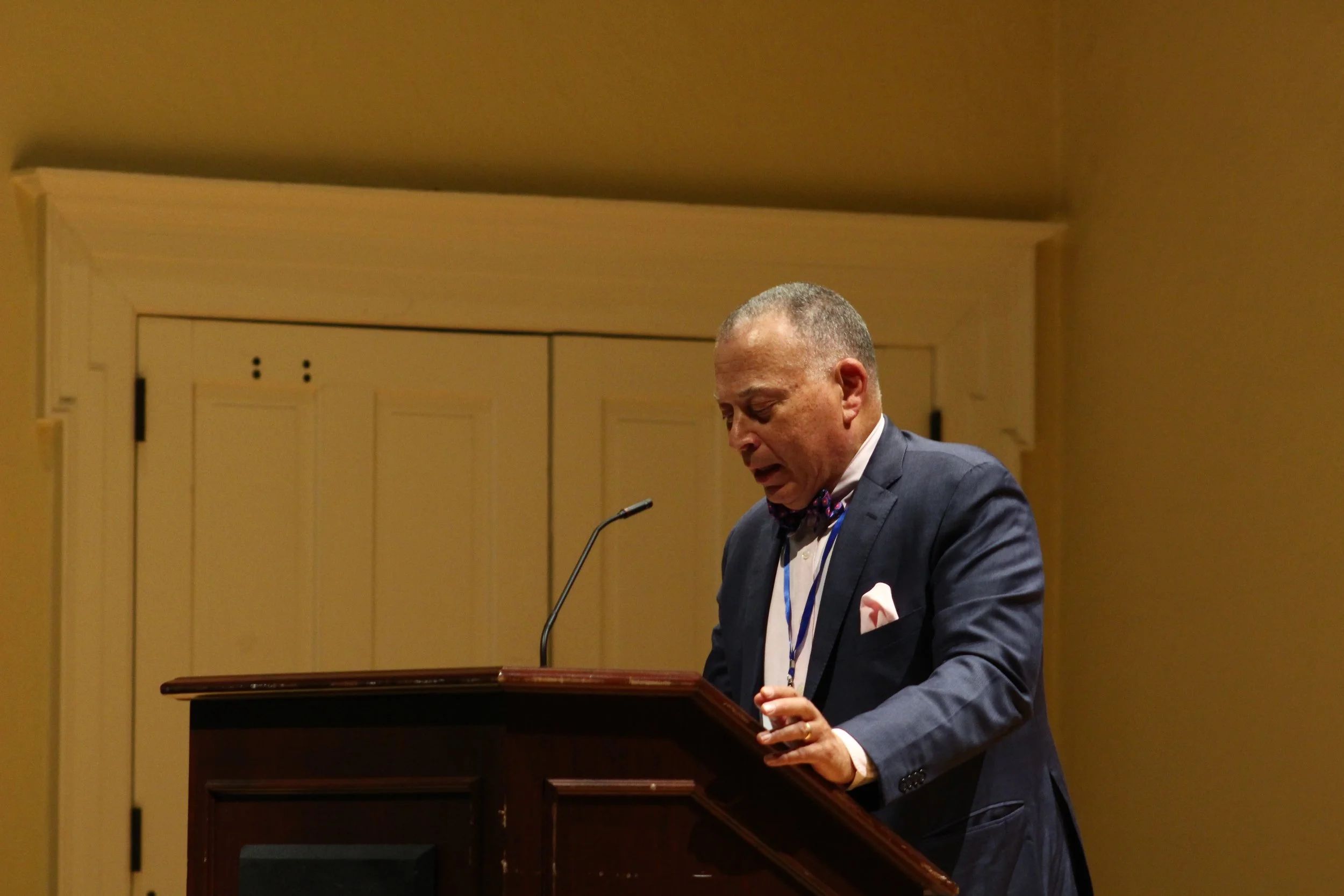
For other symposium writers, their story’s relationship with the land is used to reconcile with the history of the South. In a place haunted by its poverty and bleak history, writing has become a solution in expressing the complexity of emotions for many natives. The keynote address speaker for the symposium, W. Ralph Eubanks, is among those writers. 

The keynote address by W. Ralph Eubanks
Photos by Merry MacLellan

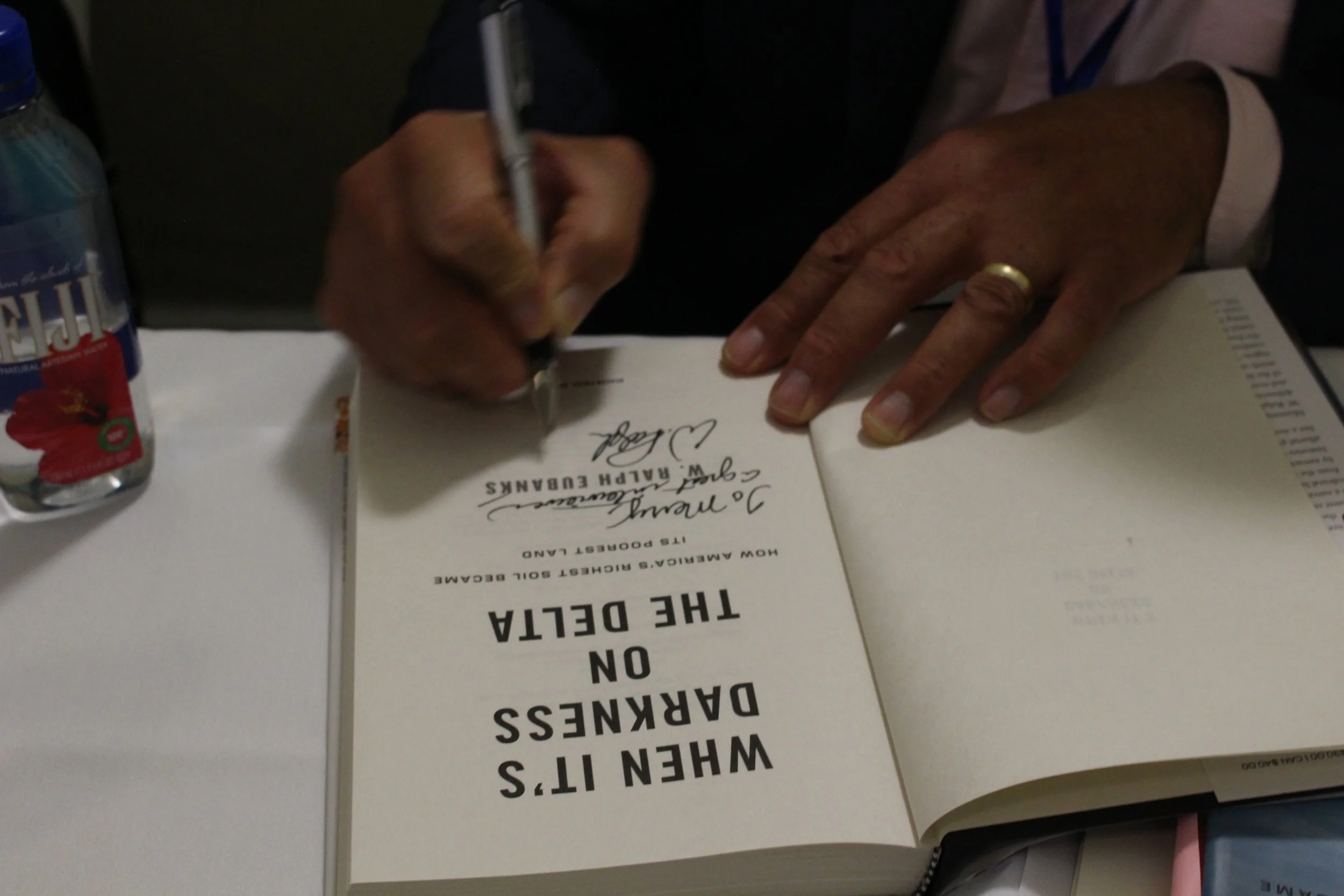
Raised in south Mississippi, Eubanks’ family roots belonged to the Delta until they left in the wake of Emmett Till’s murder. For him, writing and researching the Delta and its communities was a key to his own understanding of the place. He also writes to try to change the poor narrative the region often receives in his collection of essays, “When It’s Darkness in the Delta.” 

“The Delta is a place that is, you know, it's this bigger-than-life topic and has this huge mythology,” Eubanks said. “So, for me it was kind of tackling the myth of the Delta, as well as bringing in the personal and the historical.”

Throughout his writing experience, Eubanks expressed that, despite writing non-fiction, he often thought about the idea of place in his stories similar to that of Welty. The landscape of his works is not just a background, but an archival source to set his story and help him understand the people and their mythos. 

“I hope that people will begin to think about the Mississippi Delta in a new way, change their way of seeing the Delta,” said Eubanks. “That’s a big theme of this book is how do we change people’s ways of seeing the Delta. And I say to change what we see about the Delta, we must change what we know about the Delta.” 

Author David Armand, attending the symposium for the third time with his novel “Walk the Night,” voiced similar feelings about the importance of the environment in his novels and Southern literature. Through his time learning about Southern literature, he said he was able to see his own experiences of poverty and harsh environments written in a way that encouraged him to write about the landscape he was familiar with. 

“Especially in my earlier books, I would say that landscape is so integral to the story in terms of its almost like its own character I guess,” Armand said. “In the way that my actual people in my books act or react is very often a result of their environment.”

W. Ralph Eubanks signing a copy of his book

Though the South that Welty wrote about has changed in many ways, social, cultural and even in appearance, it is evident that the attention to the land has not. Writers across the generations and communities are coming together at the symposium and still acknowledge how the landscapes of the region impact the stories told in similar ways to the symposium’s namesake. 

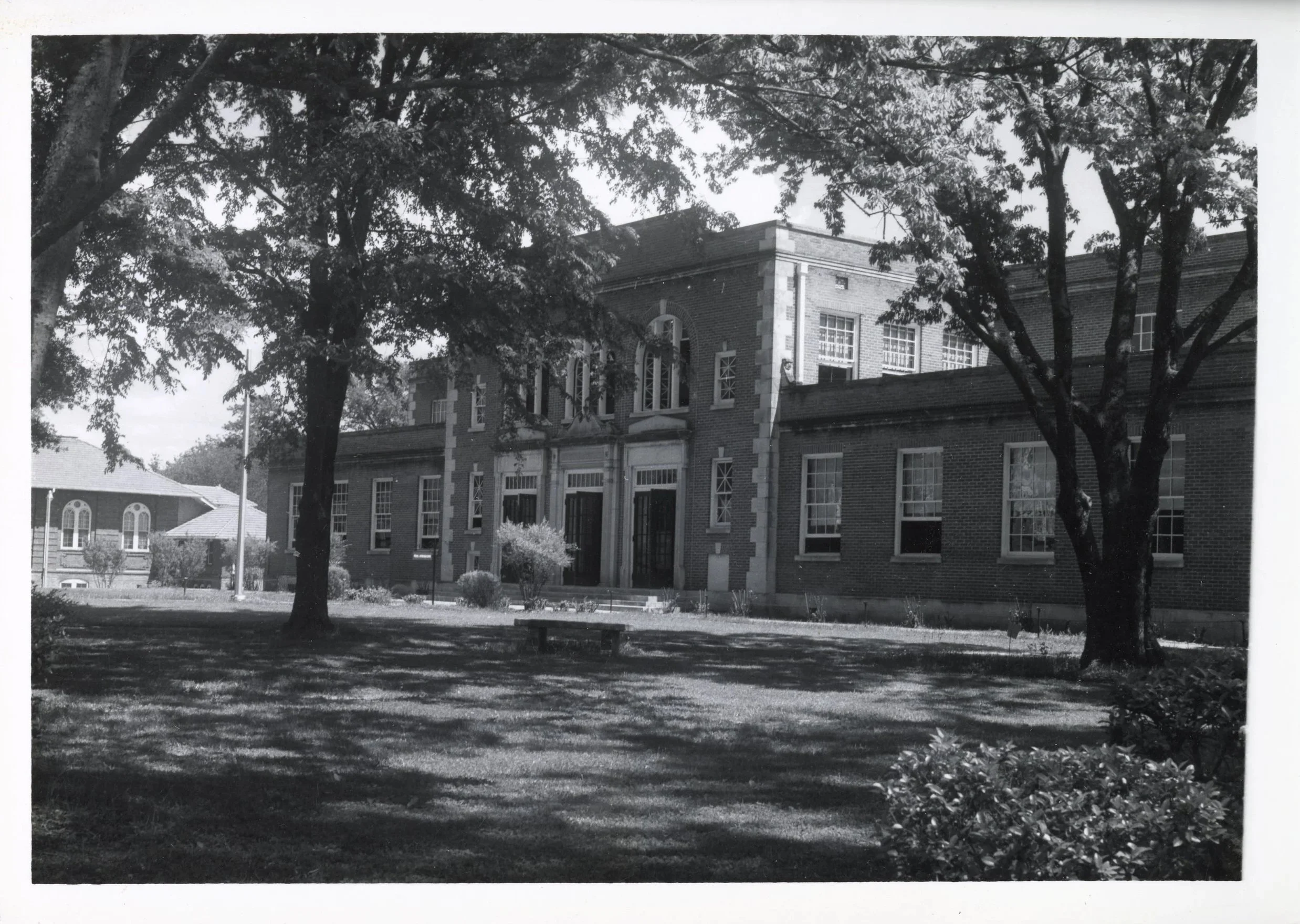
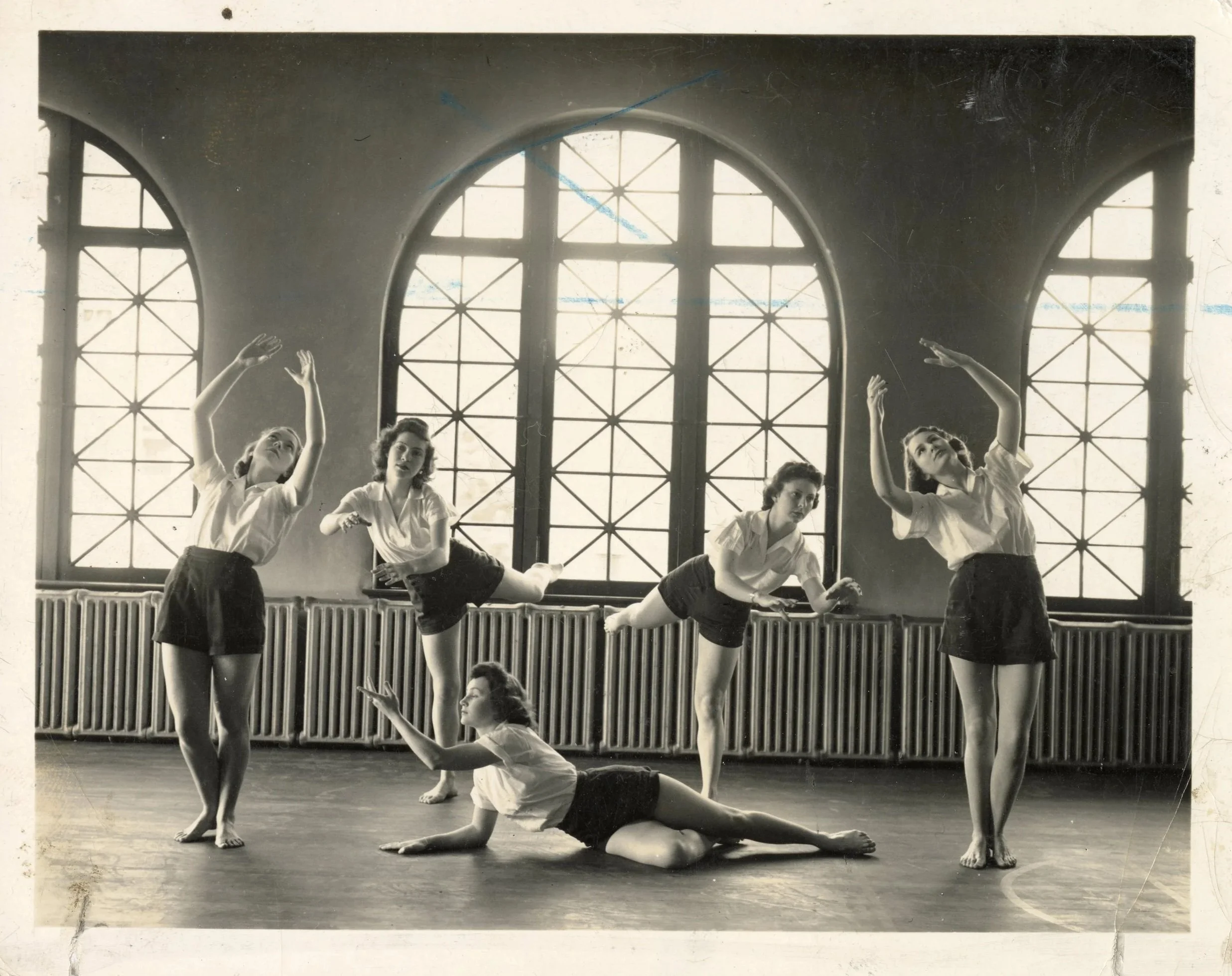
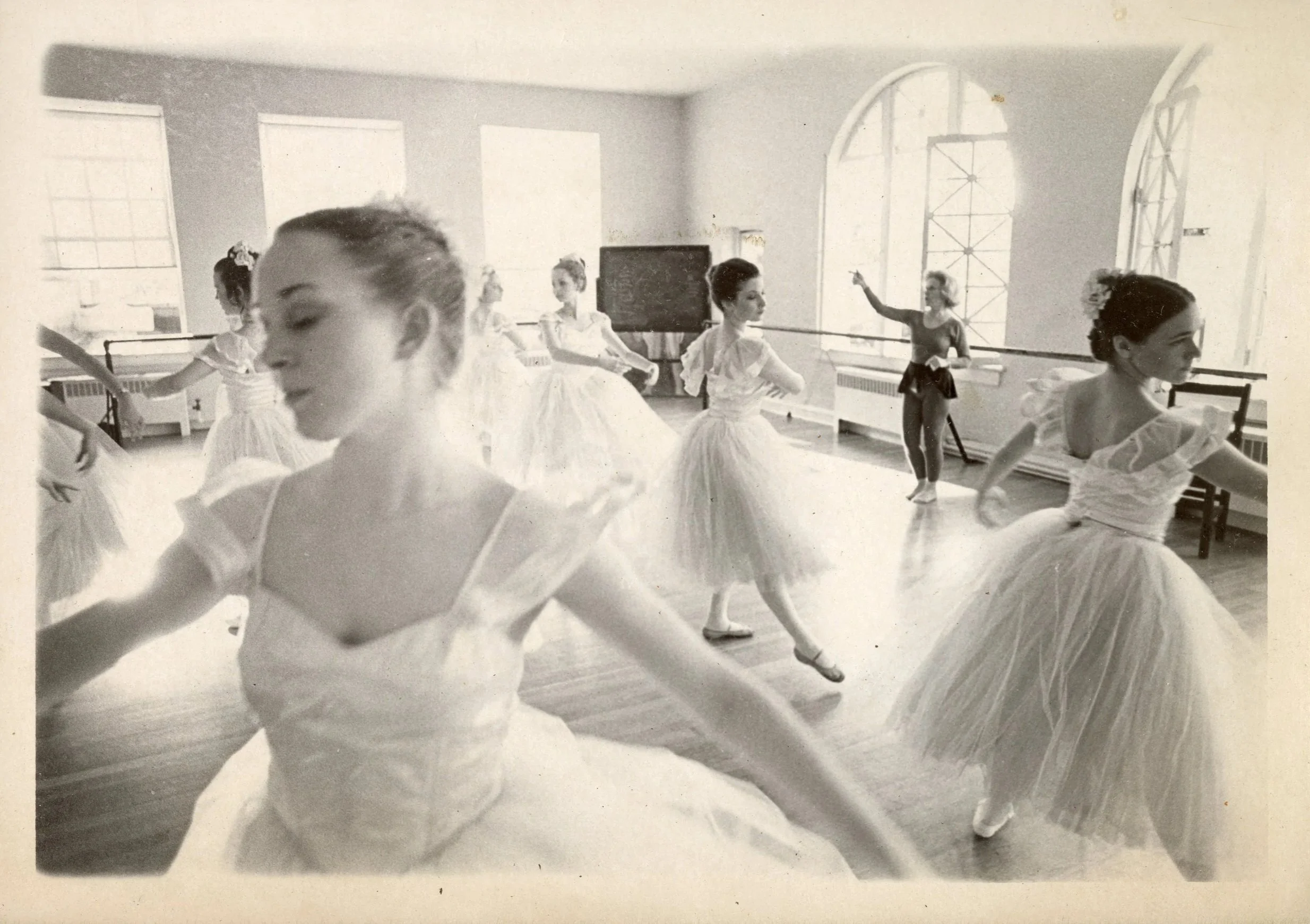
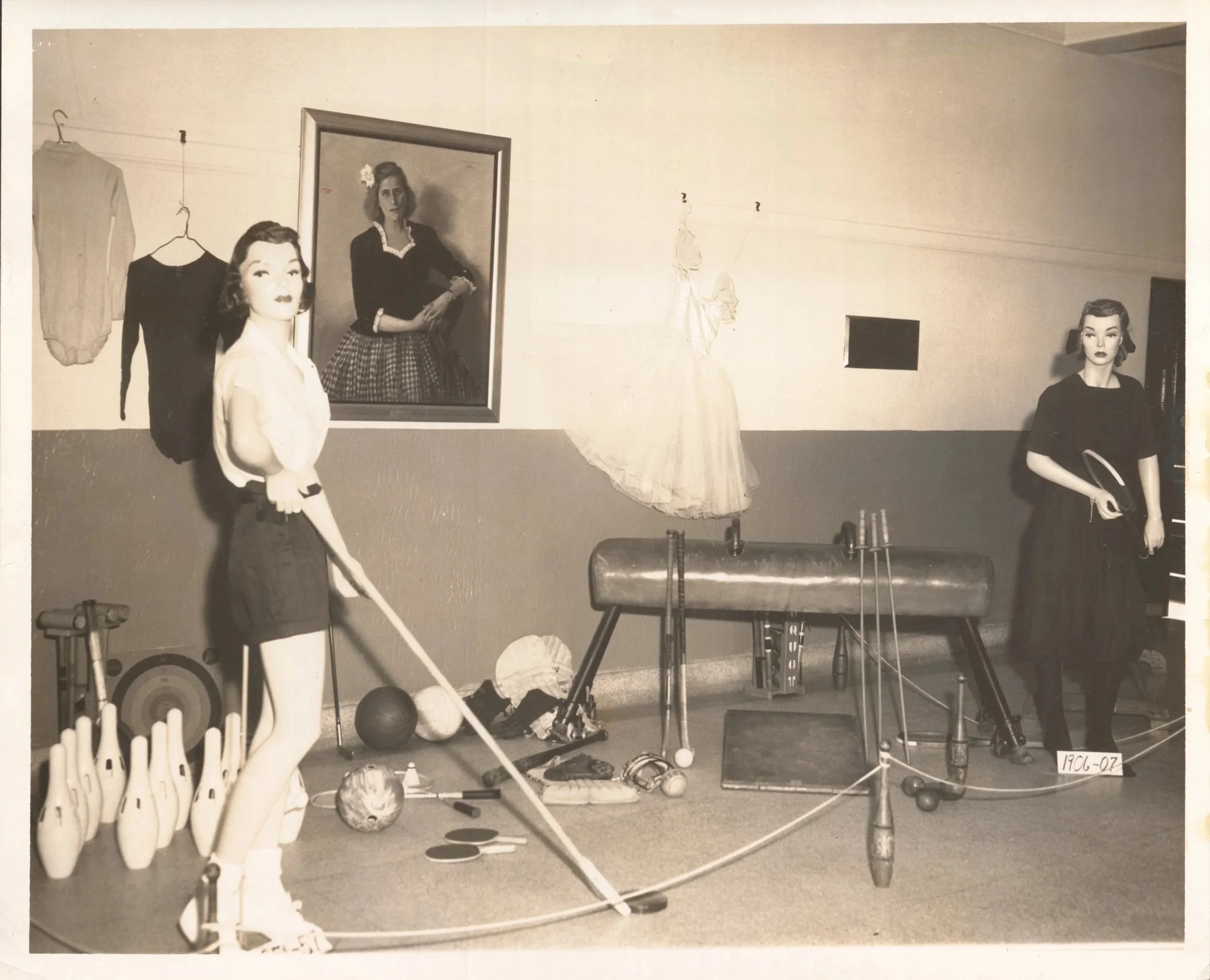
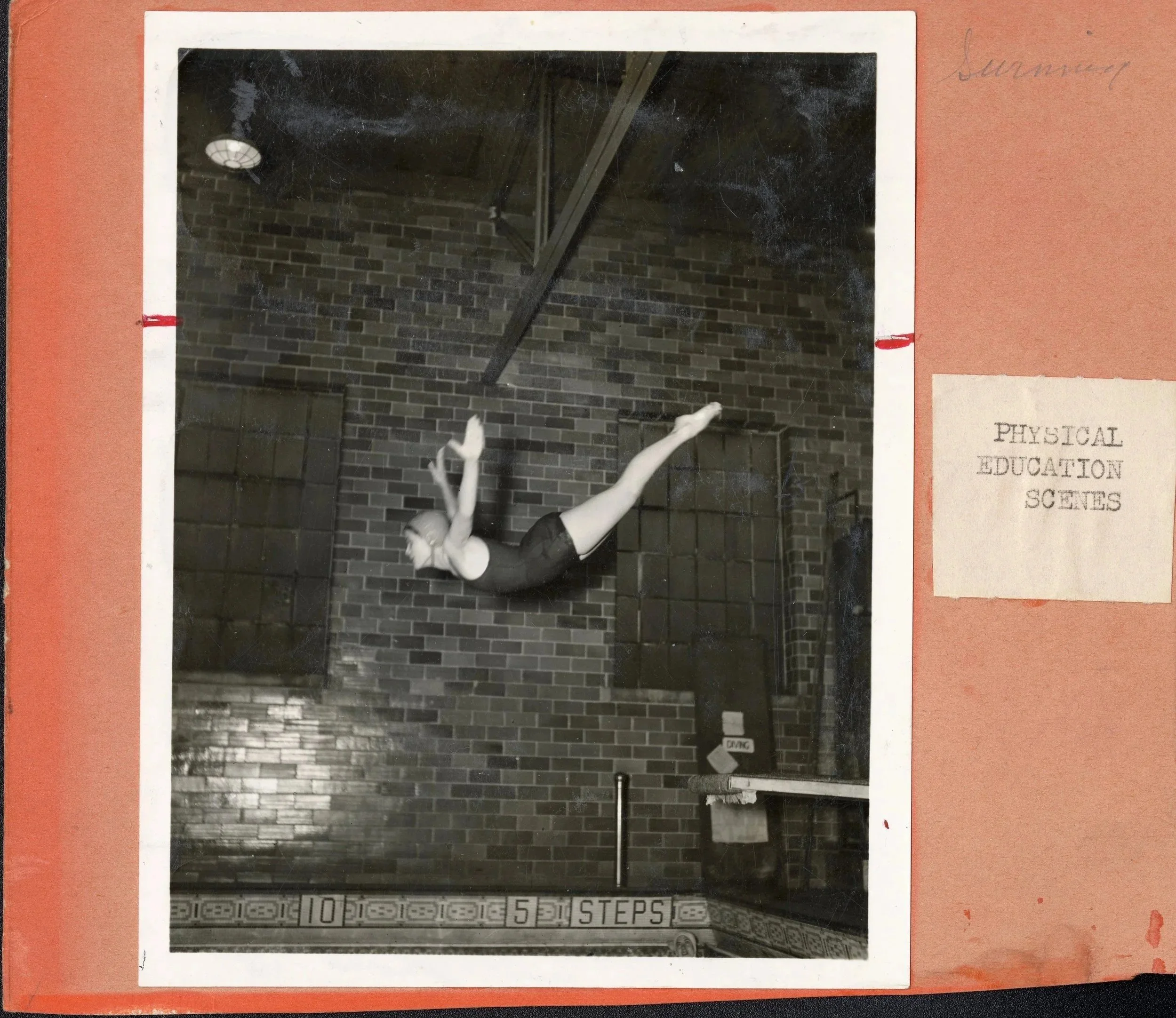
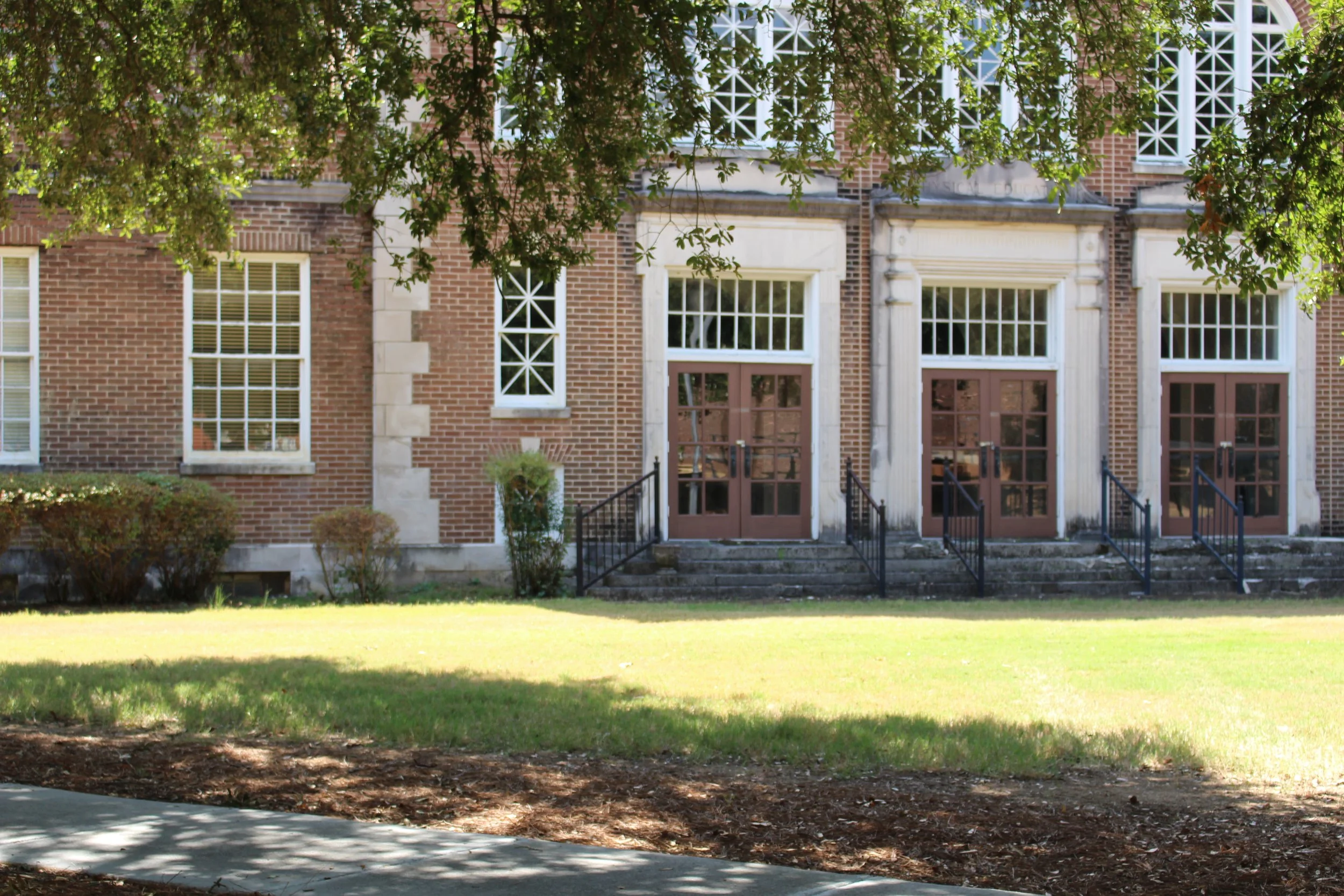
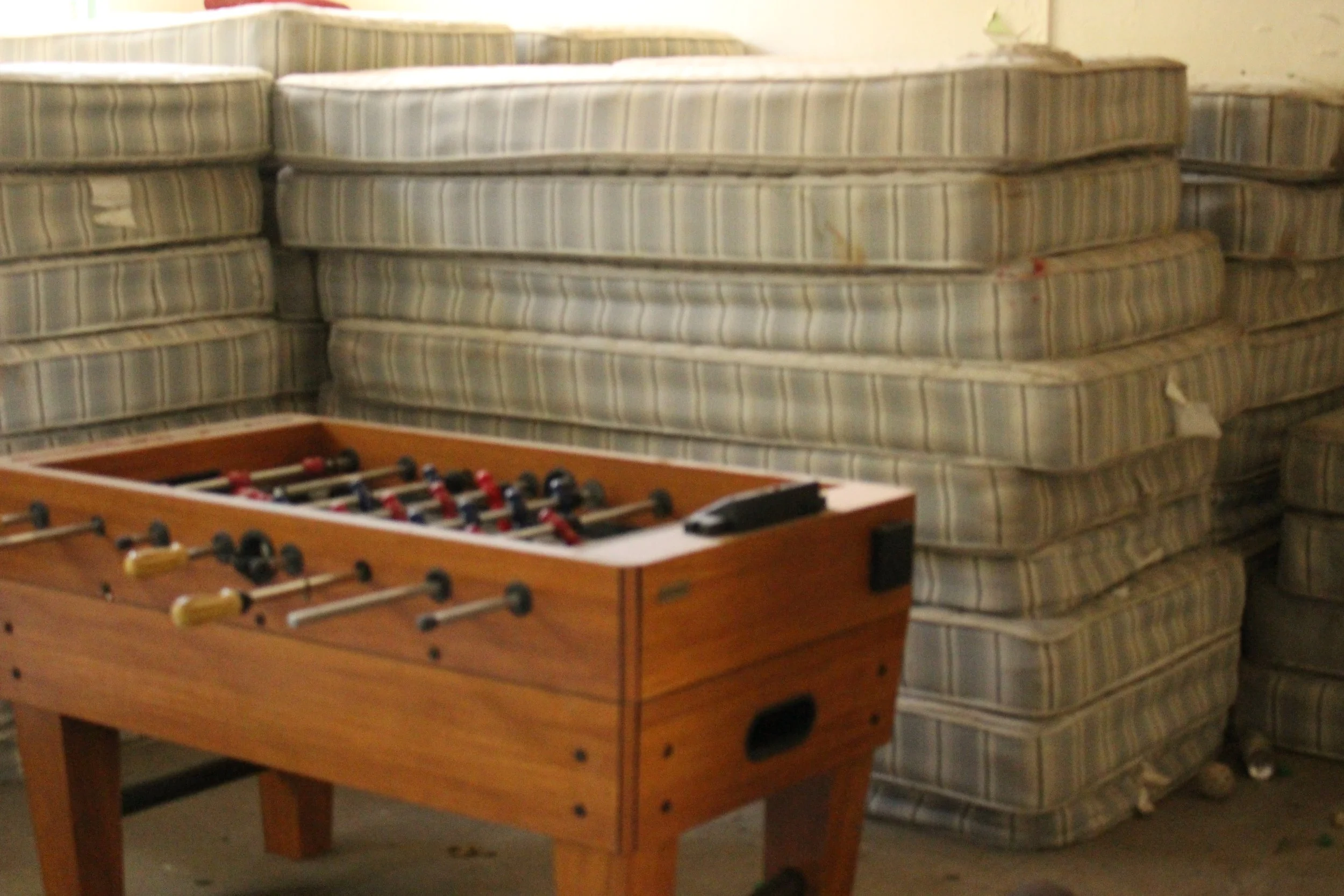
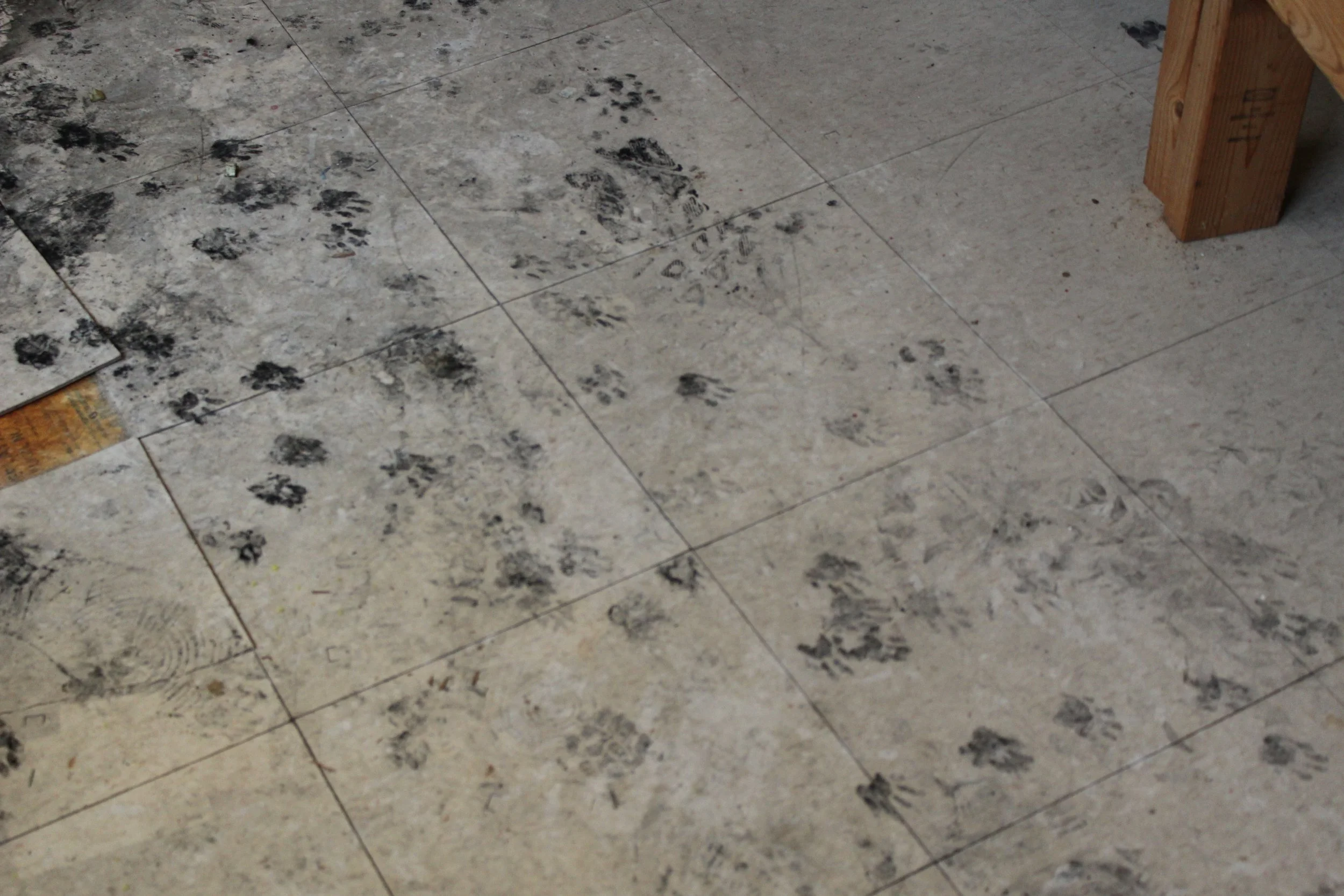
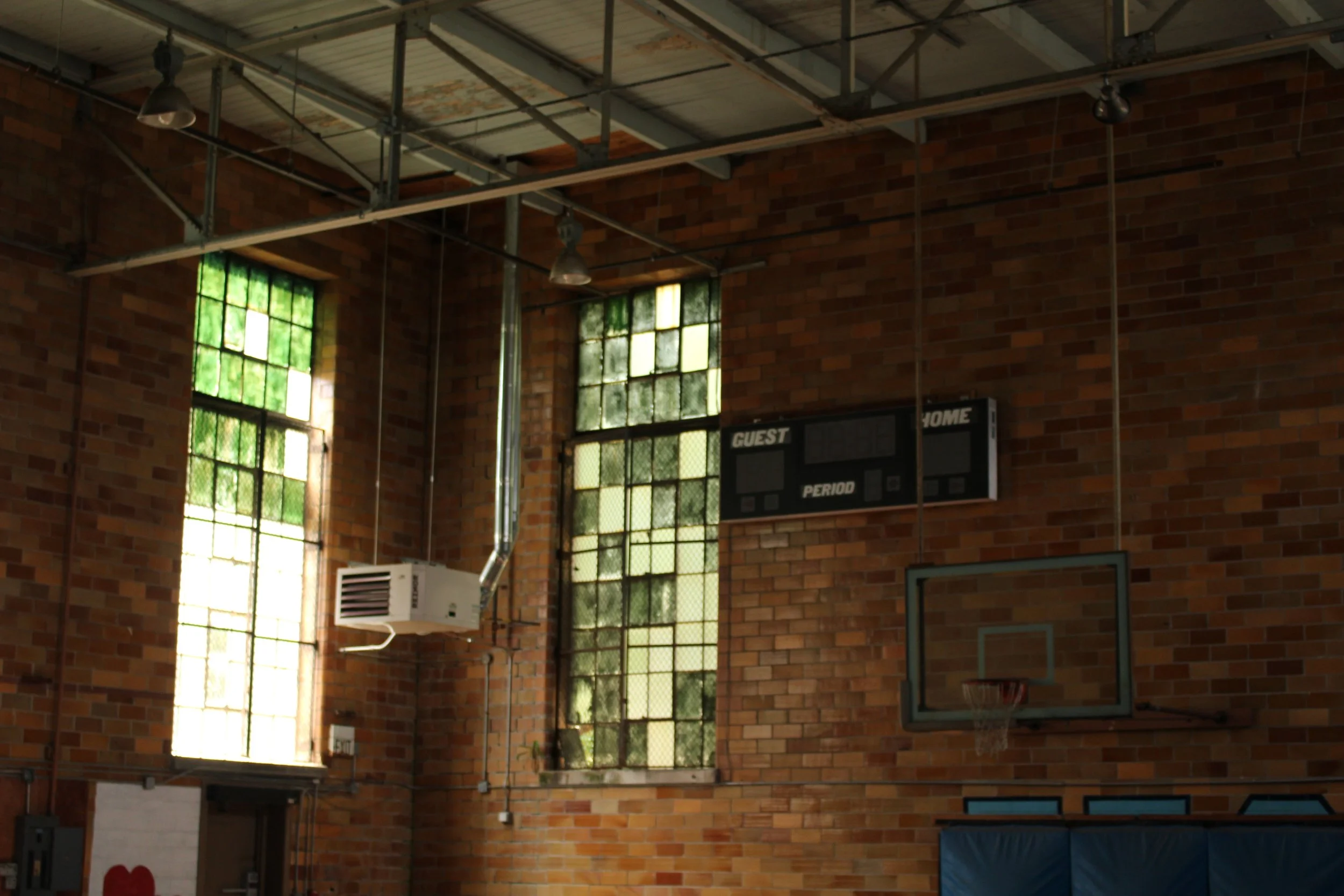
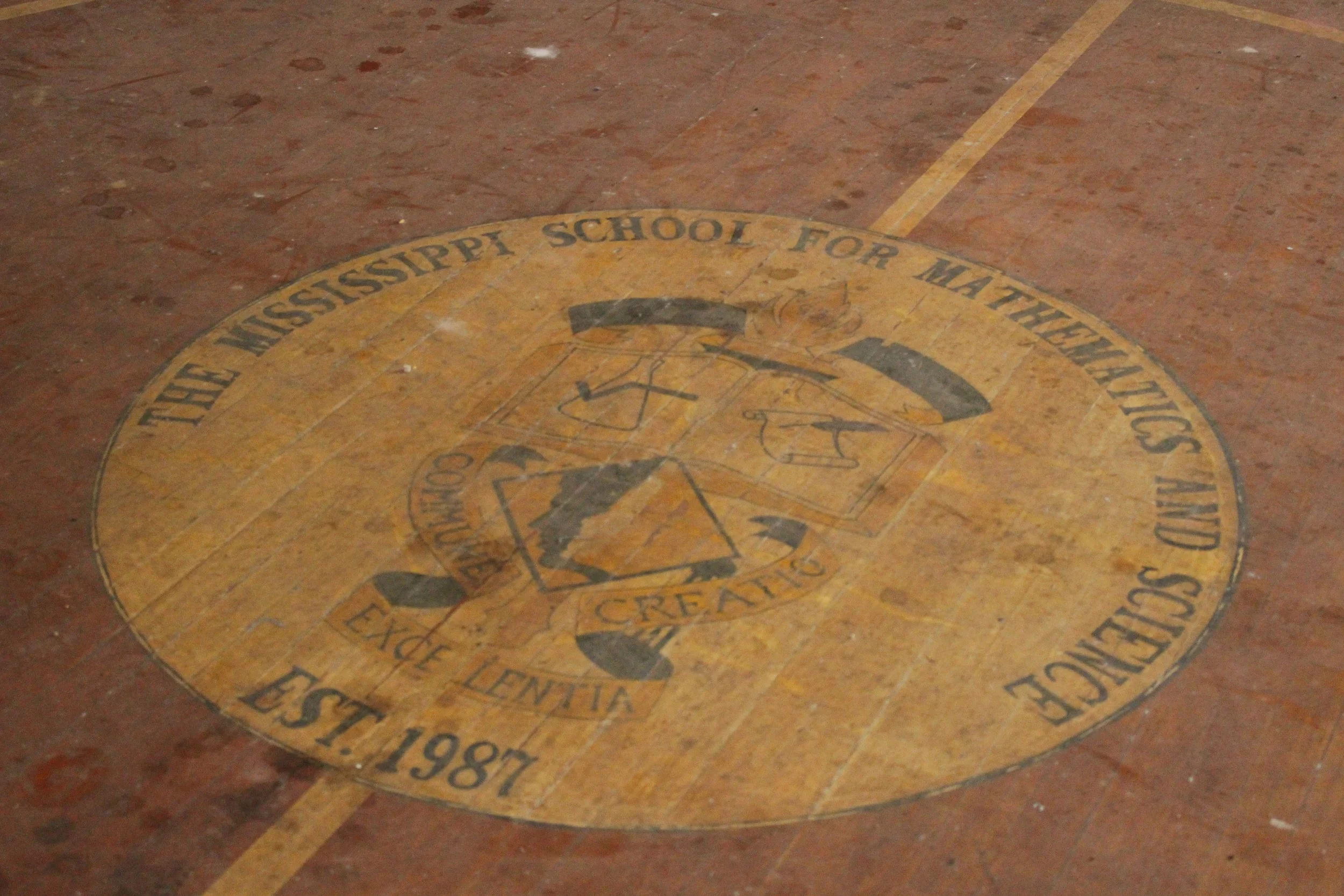
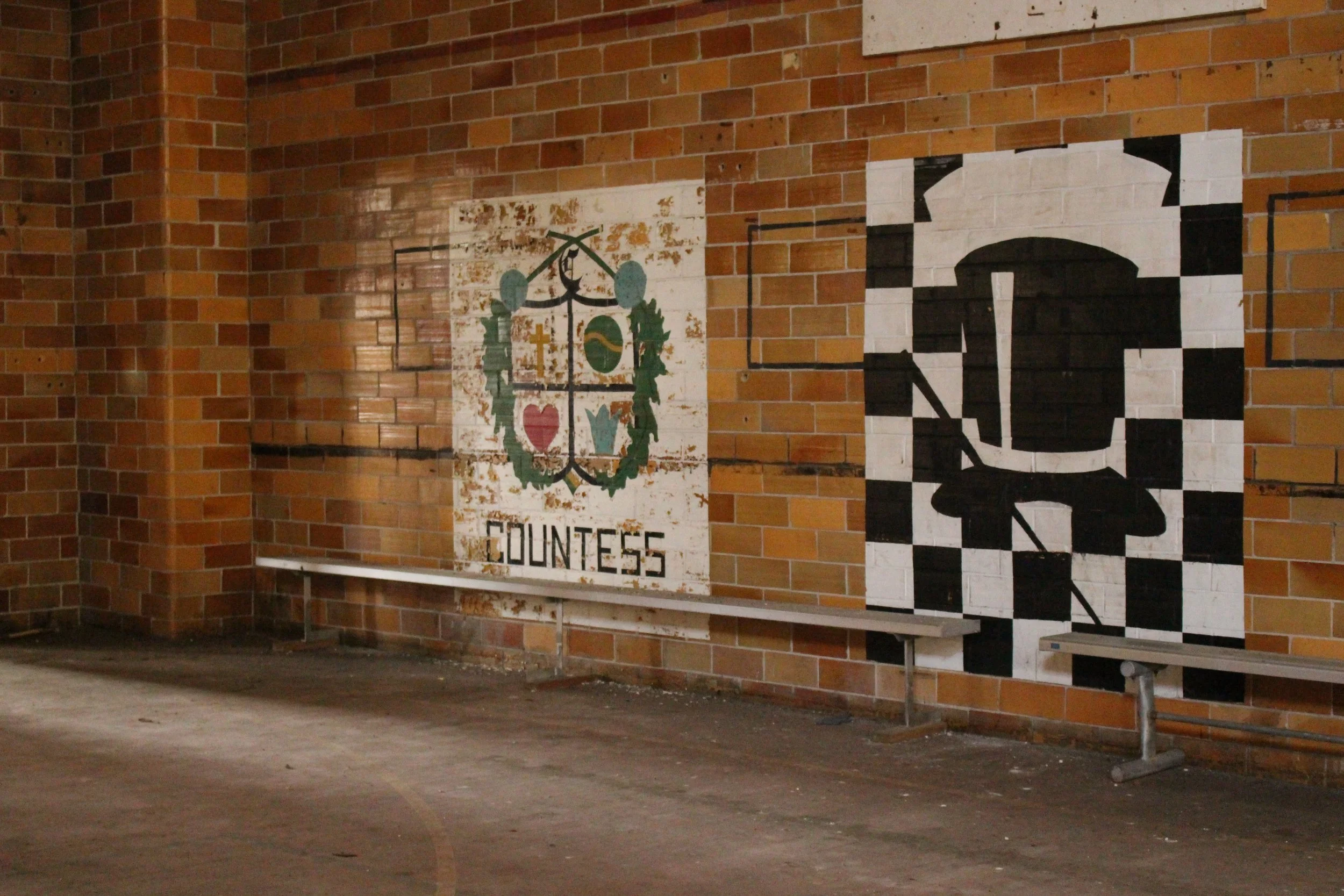
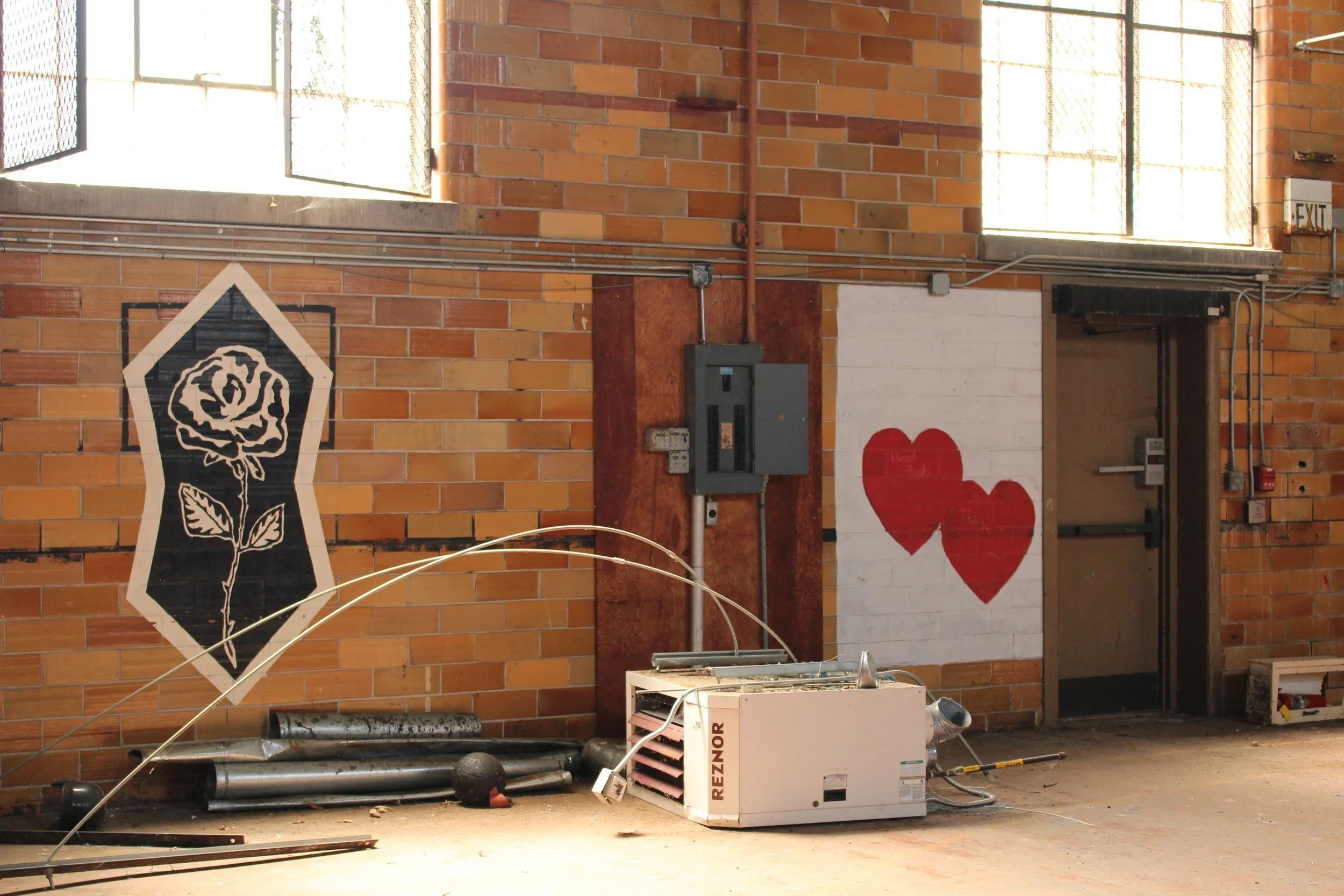
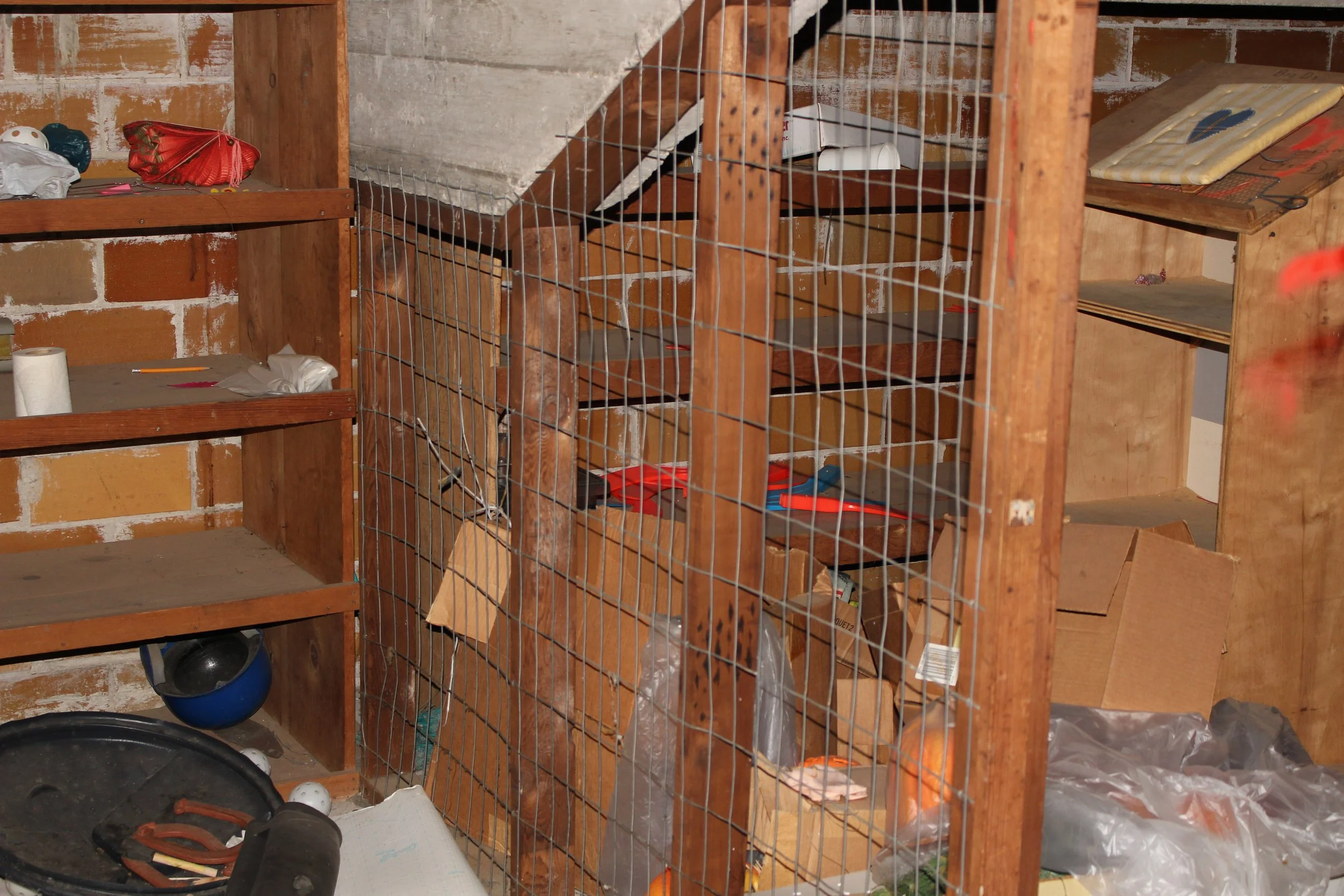
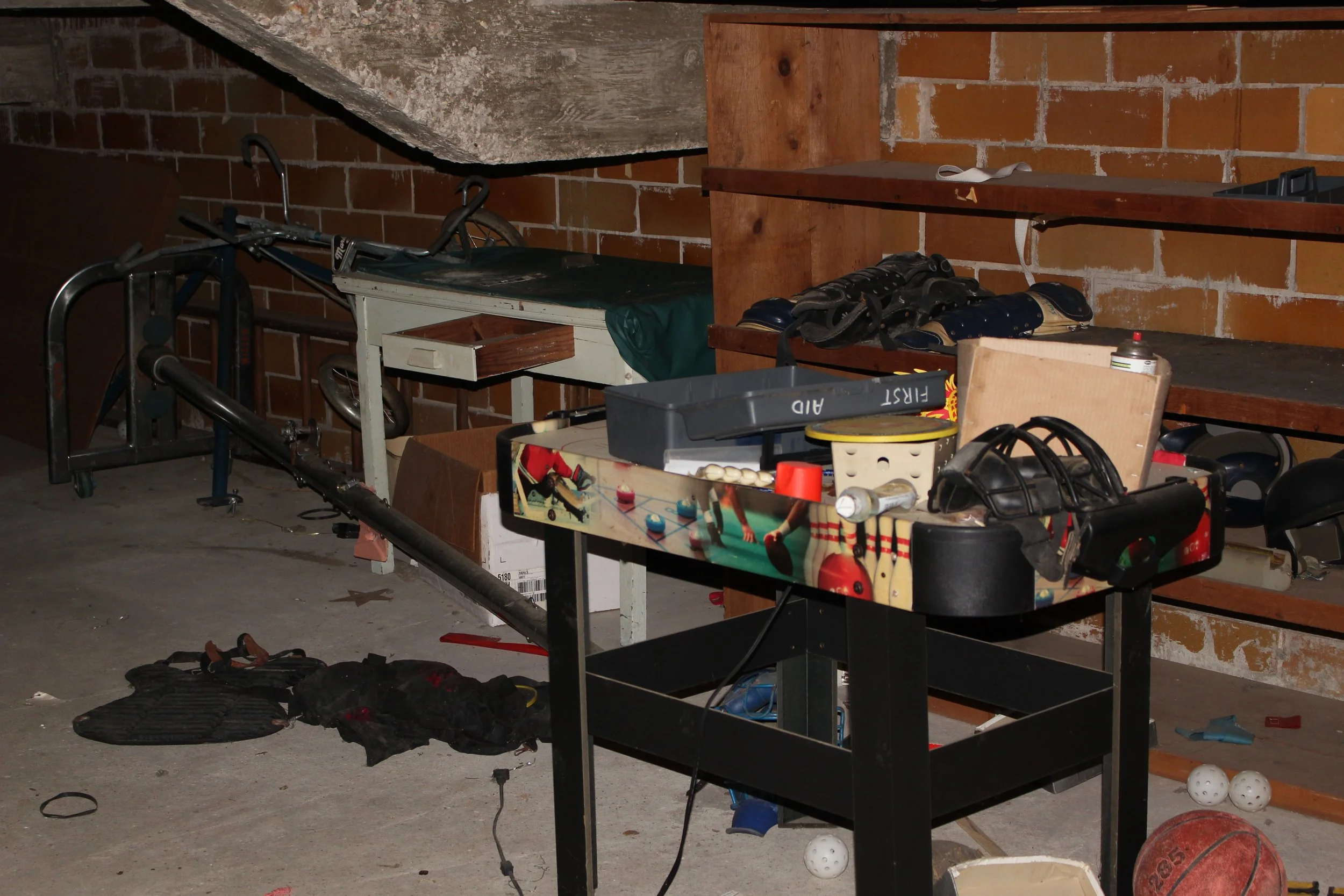
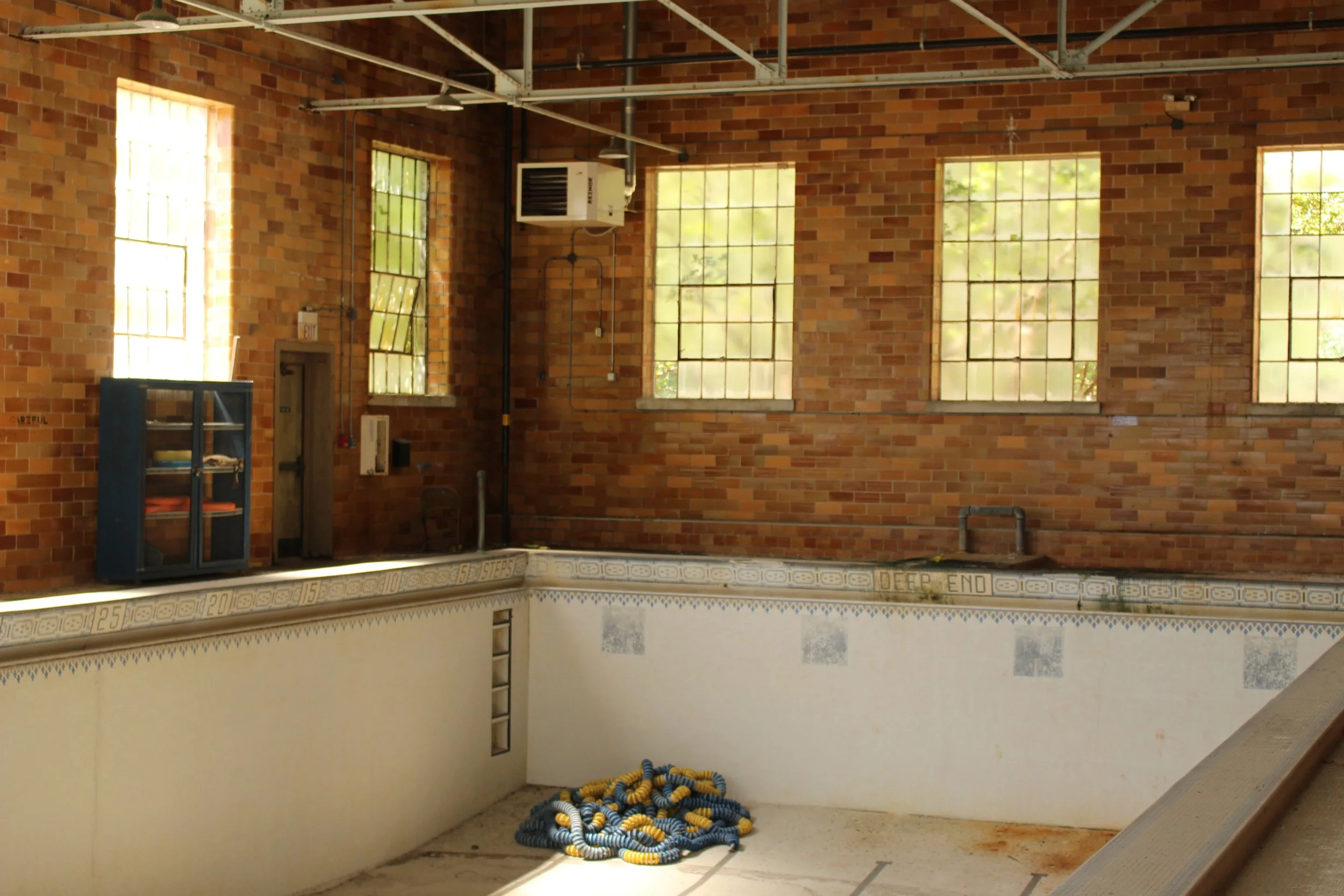
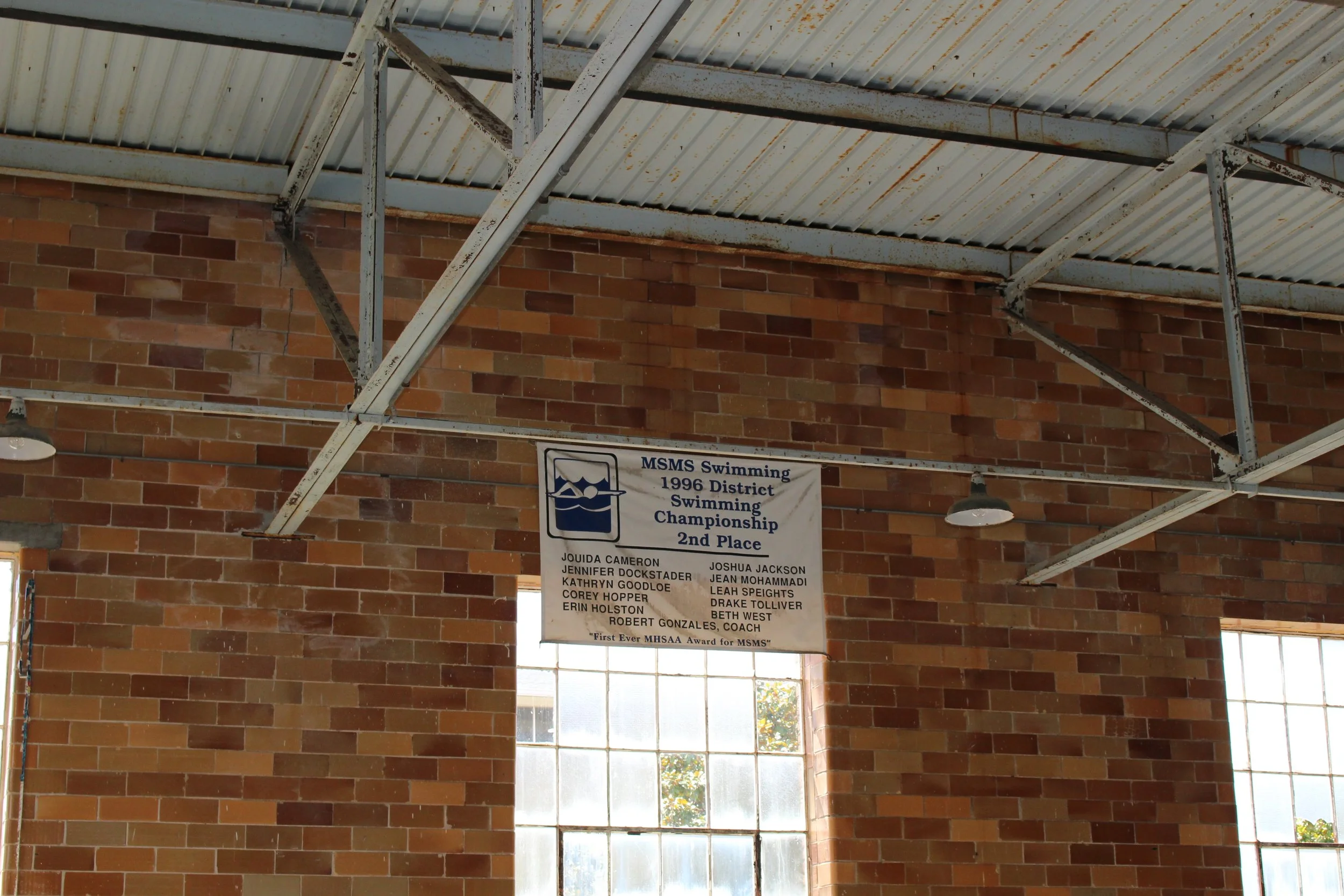
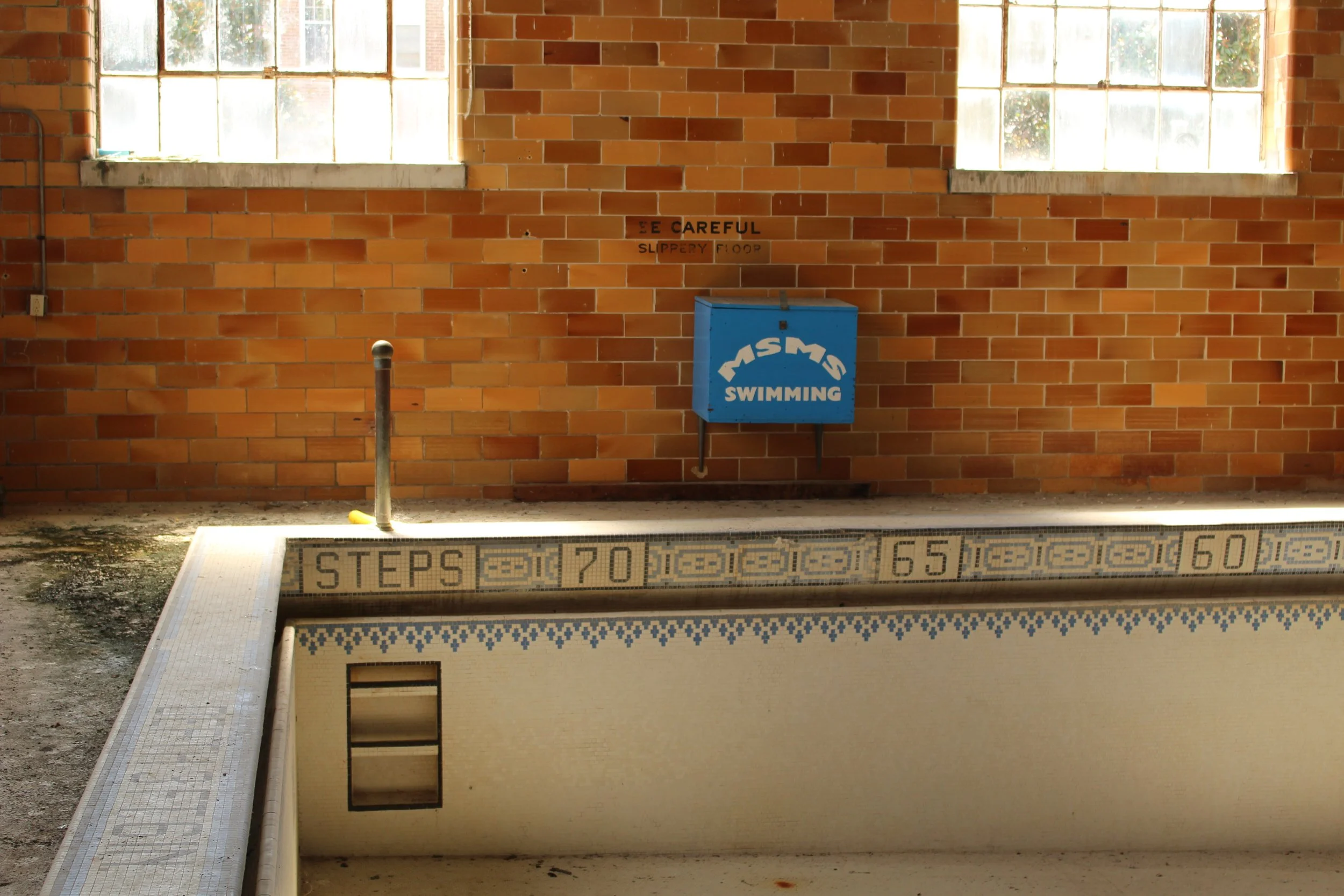
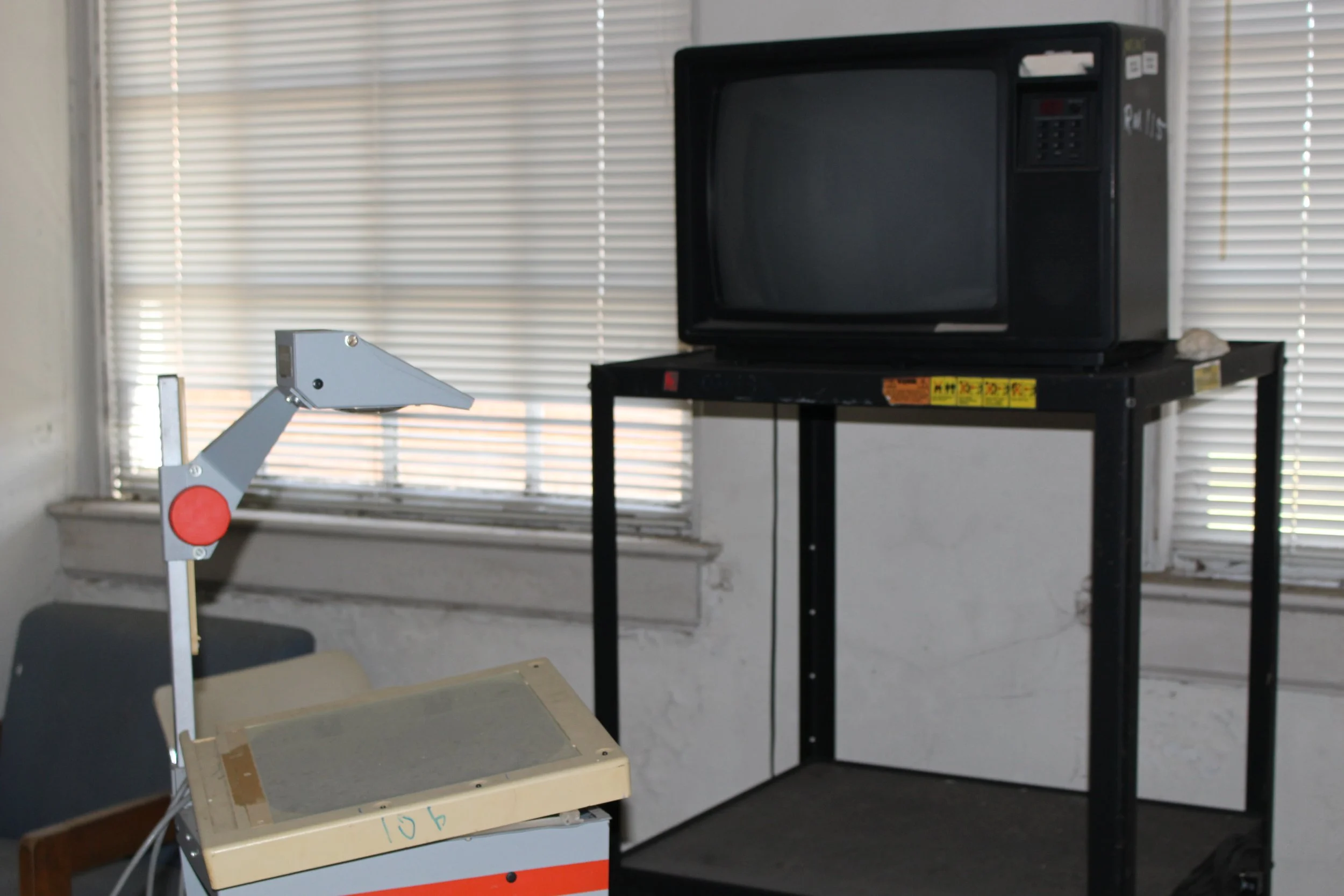
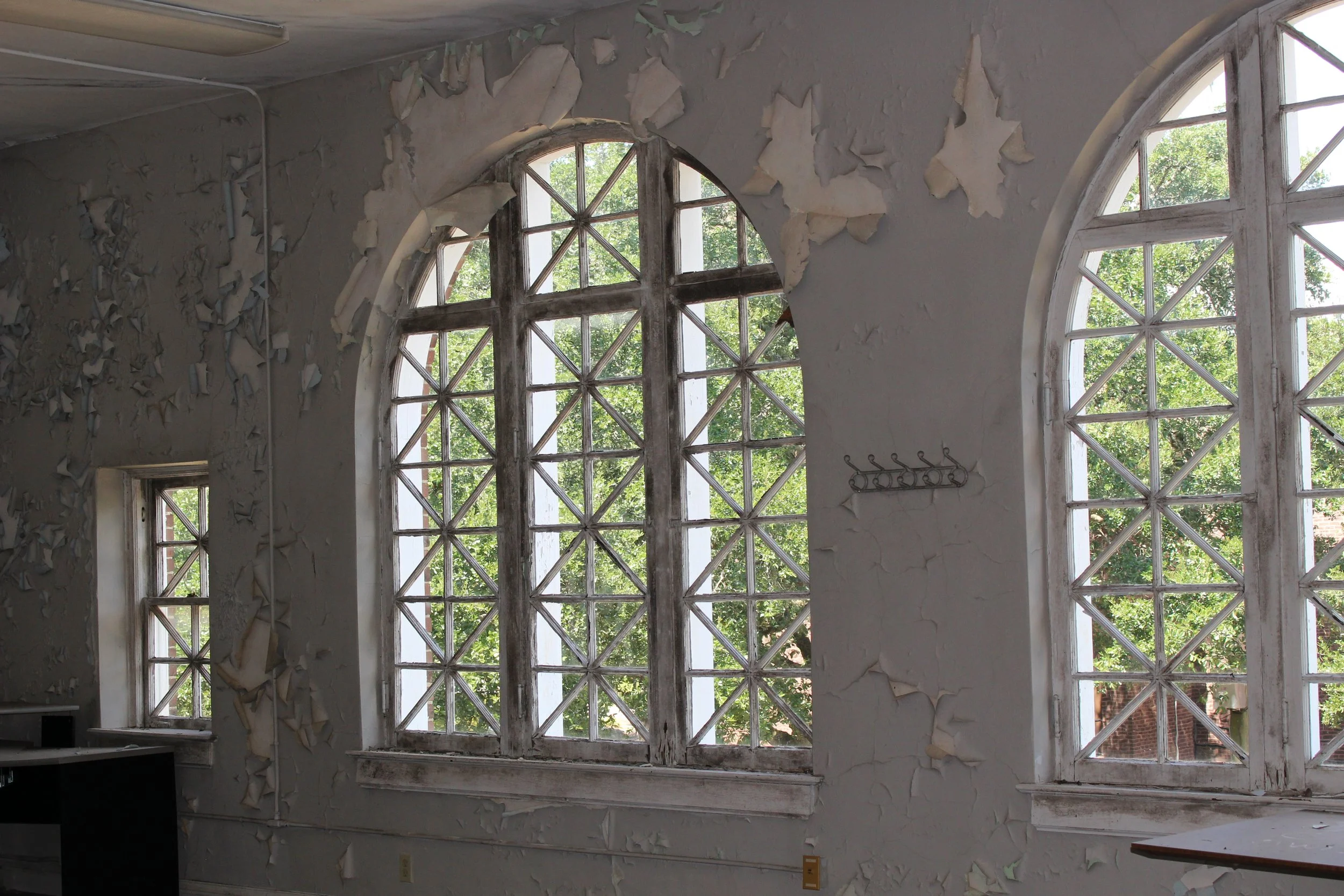
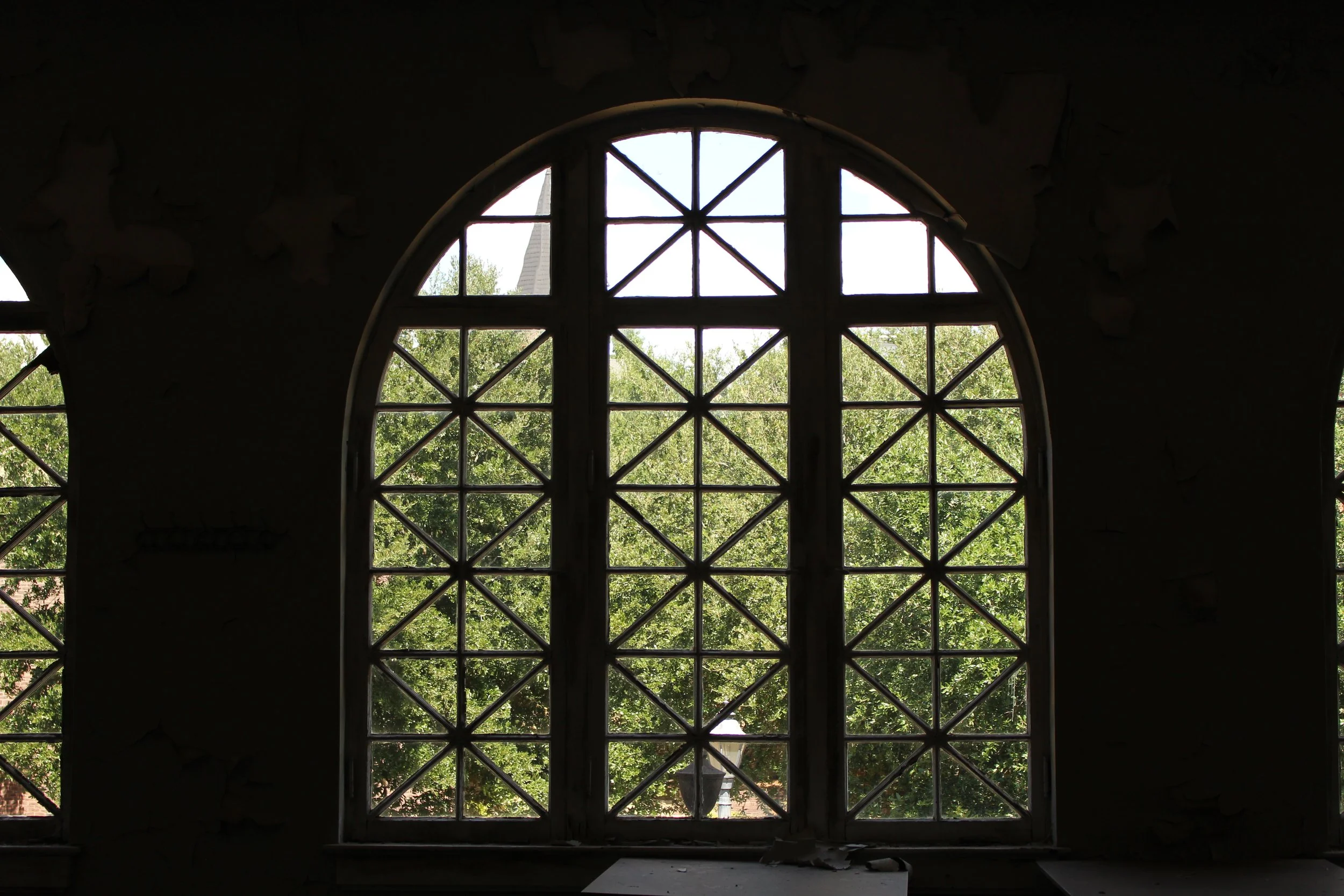
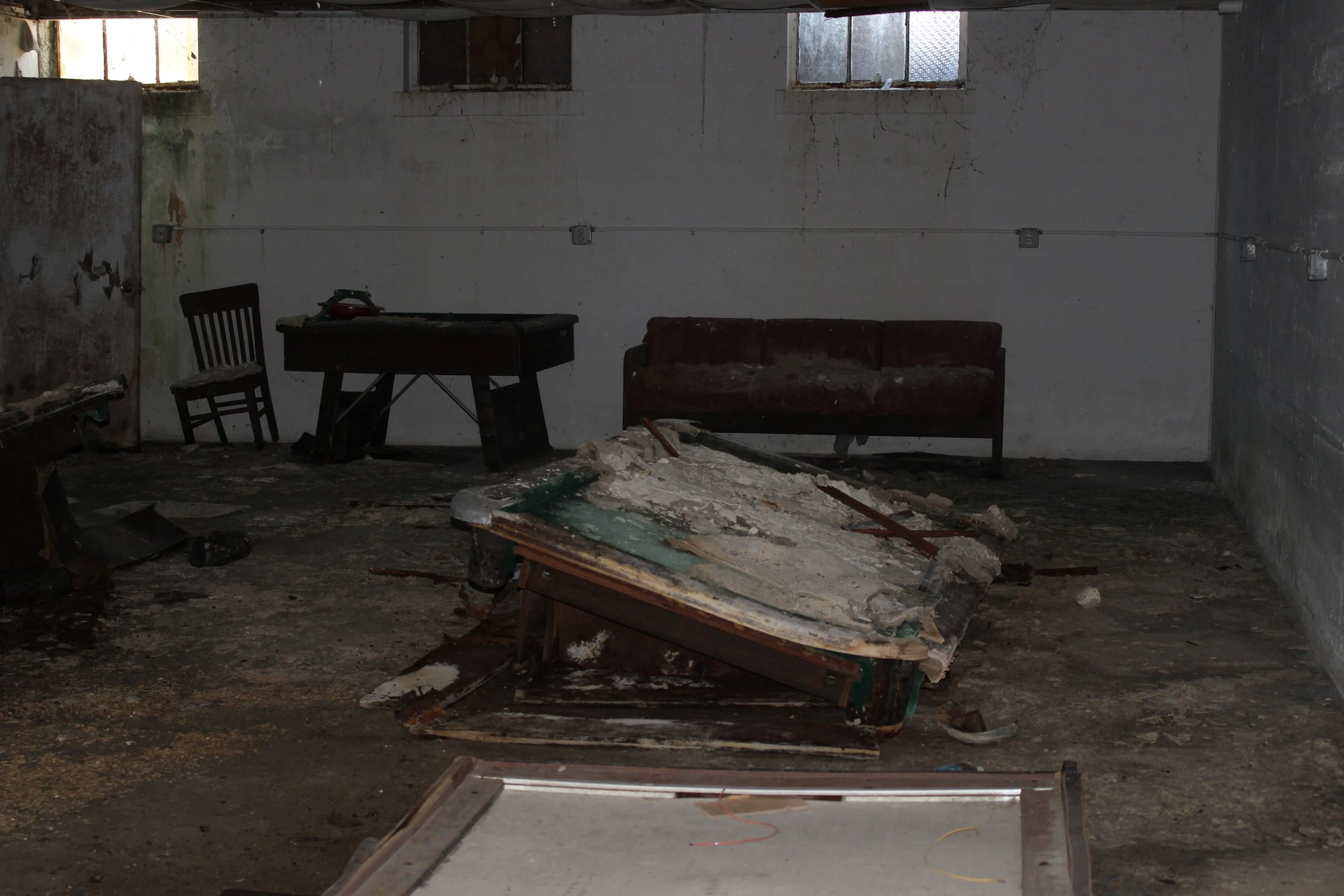
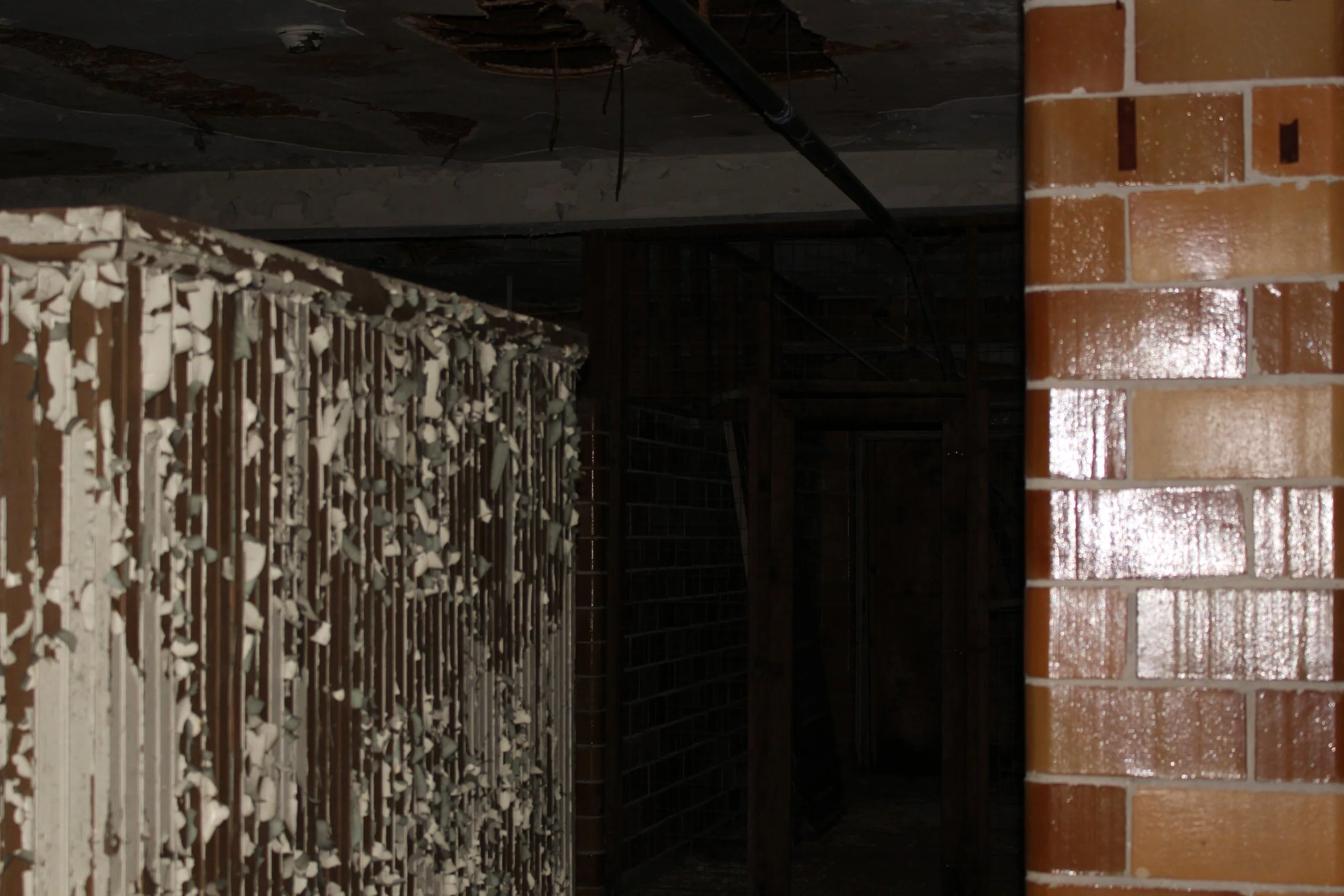
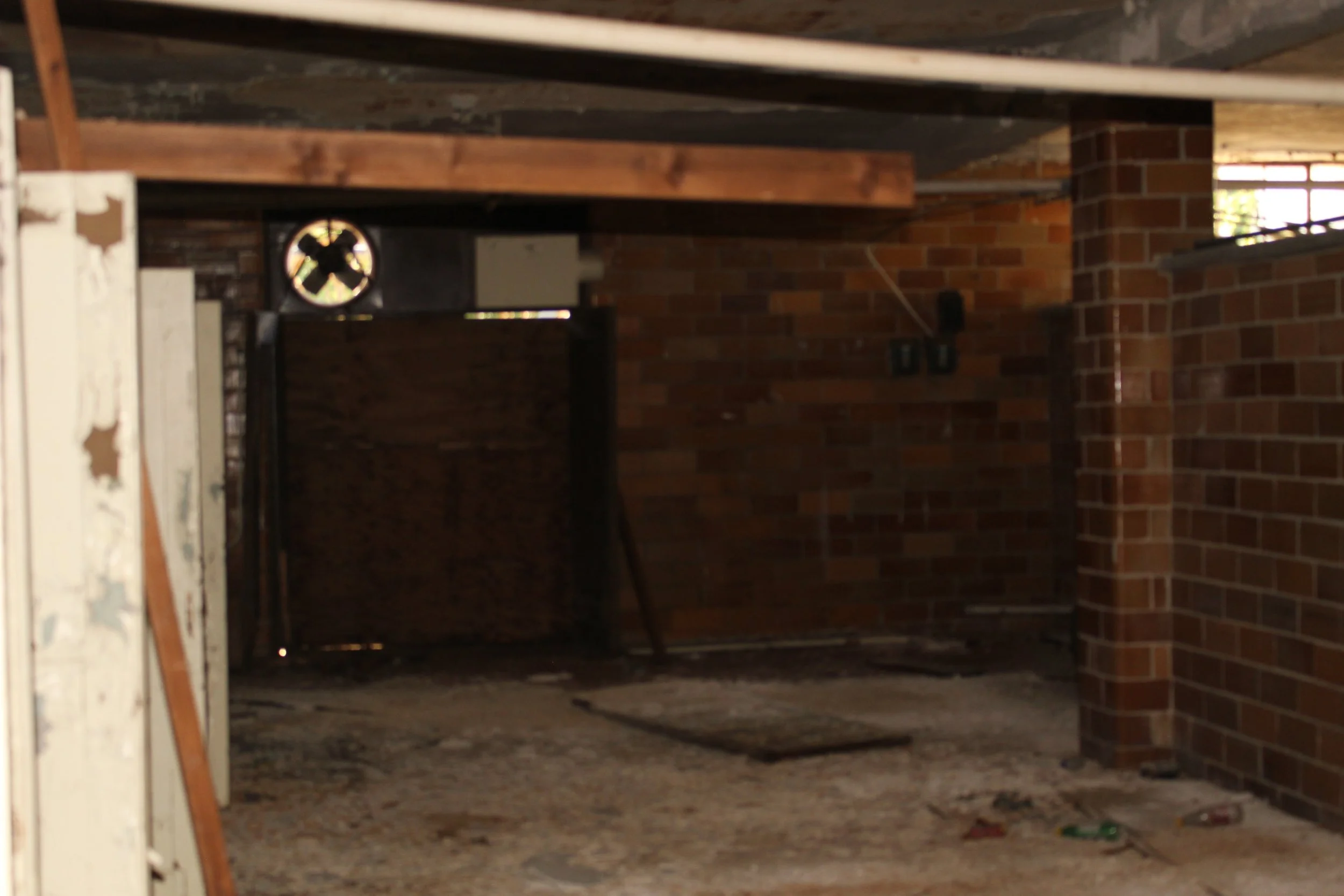
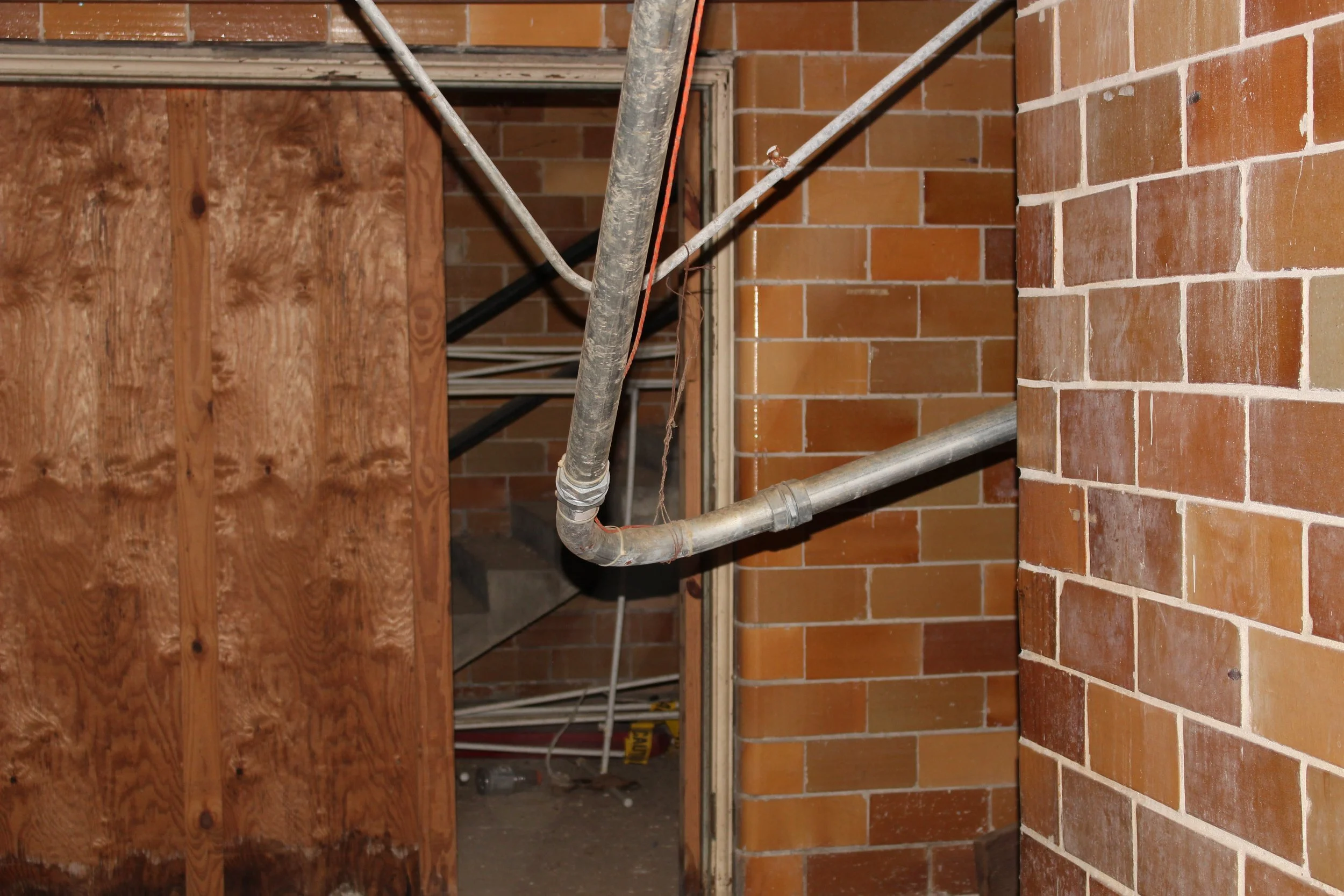
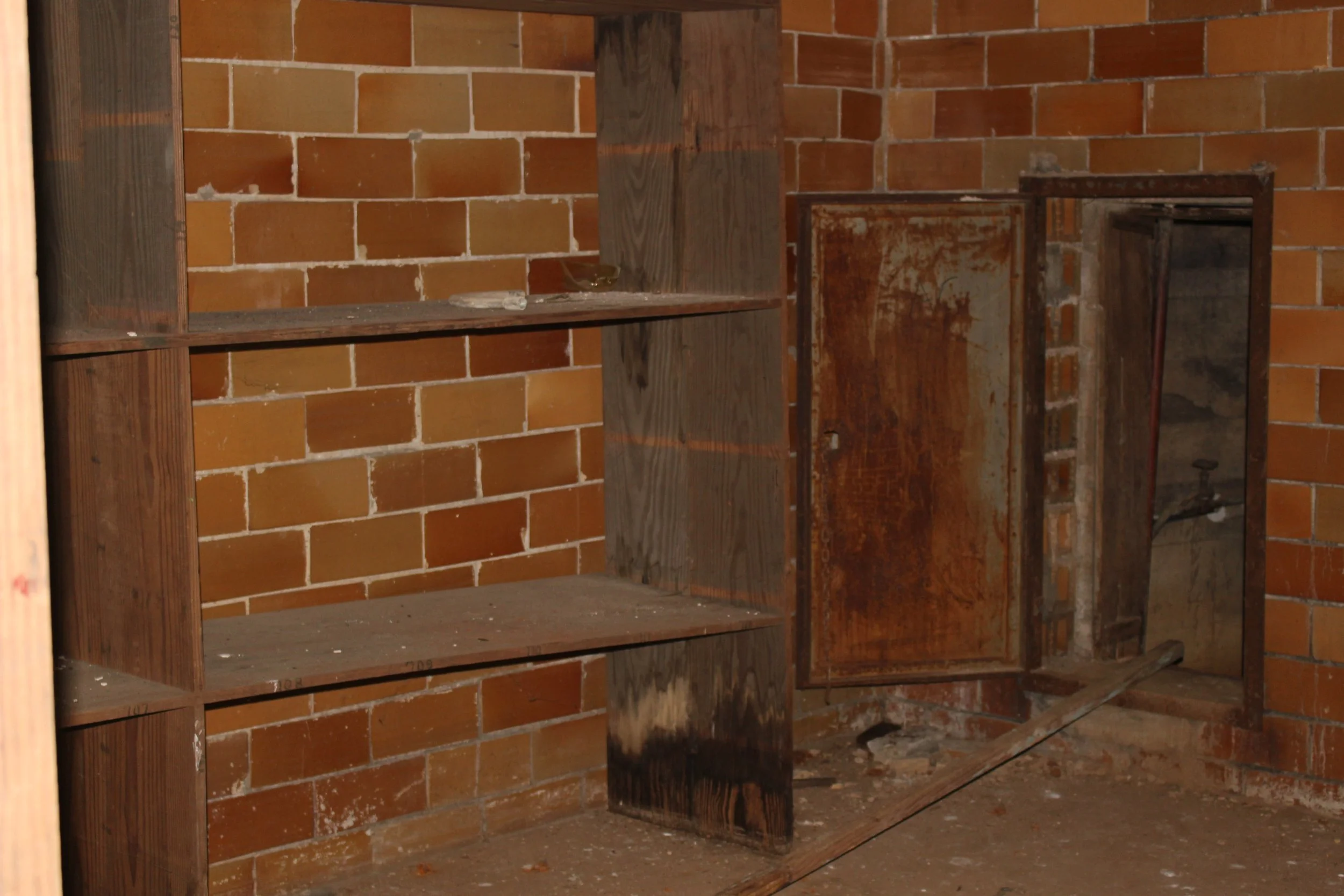
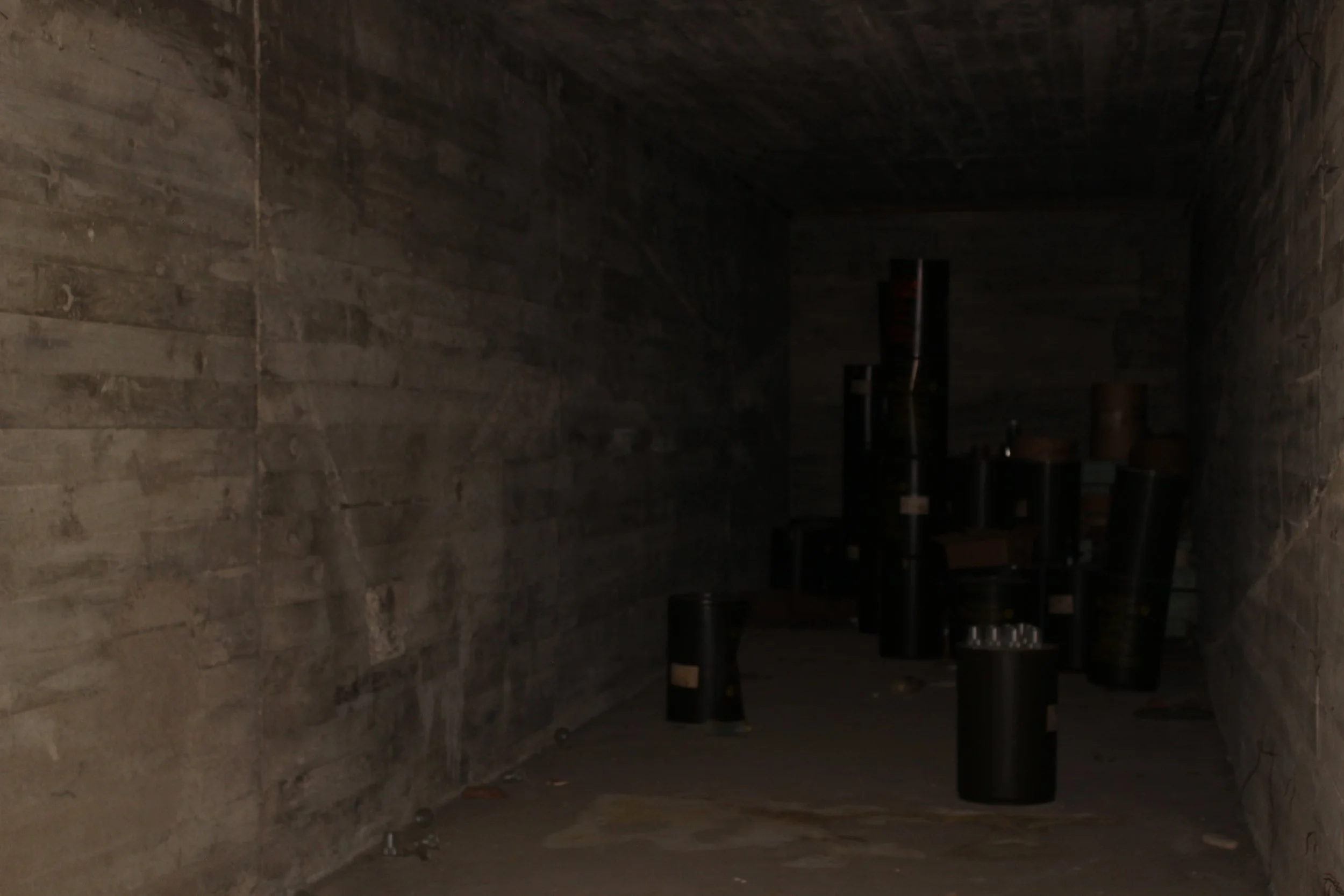
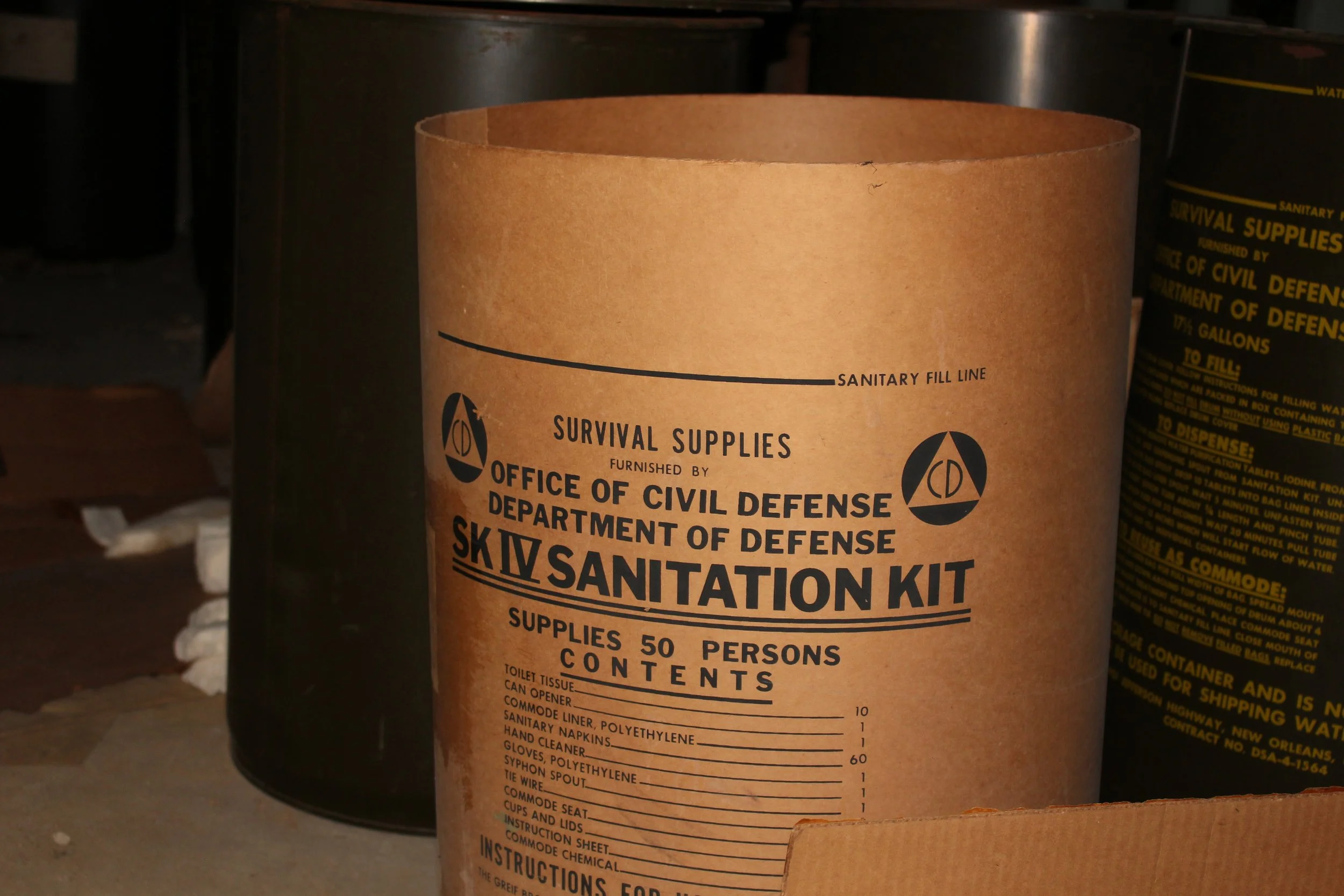
Images of the old Pohl Gym before restoration

Anna Beth Hirshfeld

Reporter

Merry MacLellan

Photographer

The Old Pohl Gym stands, unusable, in the center of North campus at the Mississippi University for Women. 

This building was most previously utilized by the Mississippi School for Mathematics and Science as a recreation building. Built in 1927, it was used until the year 2002, when the building was decommissioned after it sustained damage from a tornado. 

Now, Old Pohl Gym has been put on the docket of buildings being renovated and brought back to life on The W campus. In a statement given to The Commercial Dispatch, former President Nora Miller said the building will be converted into offices, lab spaces and classrooms. The Commercial Dispatch reported that the The W was set to receive an $11.5 million appropriation from the State of Mississippi for repairs and renovations, though The Spectator reporters have been unable to confirm this with publicly accessible budget summaries. 

In a 2024 construction update made by the Tyler Wheat, Communications Director at The W, pre-planning was scheduled to begin in fall of 2024. This renovation will include replacing the roof, completely renovating the exterior and interior, and reconfiguring some interior spaces. Renovations will include the removal of all asbestos, ensuring that the building is ADA compliant, all with up-to-date mechanical, electrical and plumbing systems. 

Because of the building’s status as a Mississippi landmark, the Mississippi Department of Archives and History will be a coordinator in this project. Wheat also stated that since its construction in 1927, this building has not seen significant improvements or modifications. No further information about the Old Pohl Gym renovations has been released.

Spectator reporters were allowed to walk through the decommissioned building, accompanied by campus maintenance, and found the building still full of items from before the building’s closure in 2002. 

Now a home to the campus groundhogs, this building was previously bustling with club and intramural sport activities. Pool and foosball tables lie unused and rotting away into the ground and long-forgotten sports equipment resides in dark, damp closets. Rooms that would have been used for club meetings now house stacks of old mattresses. 

The three-story building still houses the large tiled pool, which in 1927 would have been where all students took their mandatory swimming test. There is also a large wooden gym that showcases murals of social club seals, including still active social clubs. Now, the floors are littered with crumbled plaster and ceiling tiles from the building’s slow decline to time.

Students prepare to graduate, want more regalia options

Students at Mississippi University for Women are somewhat divided about the policies regarding regalia at graduation. Some students feel that the ceremony celebrates academic achievement and don’t mind the strict policies. Others think that they should be able to choose how they express themselves during the ceremony because it is their achievement.

Rising safety issues concern on-campus students

The Mississippi University for Women campus is the center of life for many students and staff. Hundreds of people go in and out of campus every day with the expectation that they will be kept safe inside the perimeters of campus. This expectation has recently become more uncertain among students as several events have shaken their faith in whether they are being kept safe.

The W's Music Therapy program moved clinical to Cromwell

Students majoring in Music Therapy are finally almost able to open their doors to groups for the first time in two years. Since the spring of 2020, the faculty of the Department of Music have been transitioning from Poindexter Hall to Cromwell Communications Center to host clinicals for their clients in a more open and confidential space.

Owl Food Pantry helps students in need

The Owl Food Pantry was founded in the summer of 2020, about halfway through the pandemic. The pantry was started by a student, who spread the word by talking to students and putting up flyers around the school, however, Alisen Reed, really hit the ground running when she joined the faculty of Mississippi University for Women in August 2021.

Women owned businesses in Columbus

The owners of two local businesses hope to improve the community and the lives of their customers while turning a profit in Columbus. Maypop Spa offers a variety of massages performed by massage therapists. The spa also serves as a physical retail space for Humble Reign, a new online fashion retailer. Both businesses are owned by women, and they see their businesses as fulfilling needs in the community.